Court Cards Explained
Updated 2026-03-29 · 12 min read
The sixteen Court cards (Page, Knight, Queen, King in each suit) are famously slippery. They can represent people, roles you step into, maturity levels, or modes of action tied to Wands, Cups, Swords, or Pentacles.
Four ways to read a Court
- Literal person: someone with that element’s temperament (e.g., Knight of Cups as a romantic messenger).
- Your facet: the part of you asked to lead—Queen of Swords as clear boundaries.
- Stage of mastery: Page as learning, Knight as pursuit, Queen as integration, King as command of the suit’s theme.
- Event texture: the how something arrives—fast Knight energy vs steady Queen.
Sample four-court line (traditional cards)
Below is an illustrative row showing one Court from each suit—use it to compare body language and symbols in the Rider–Waite–Smith style, then jump to full entries in our directory.
One Court per suit (example lineup)
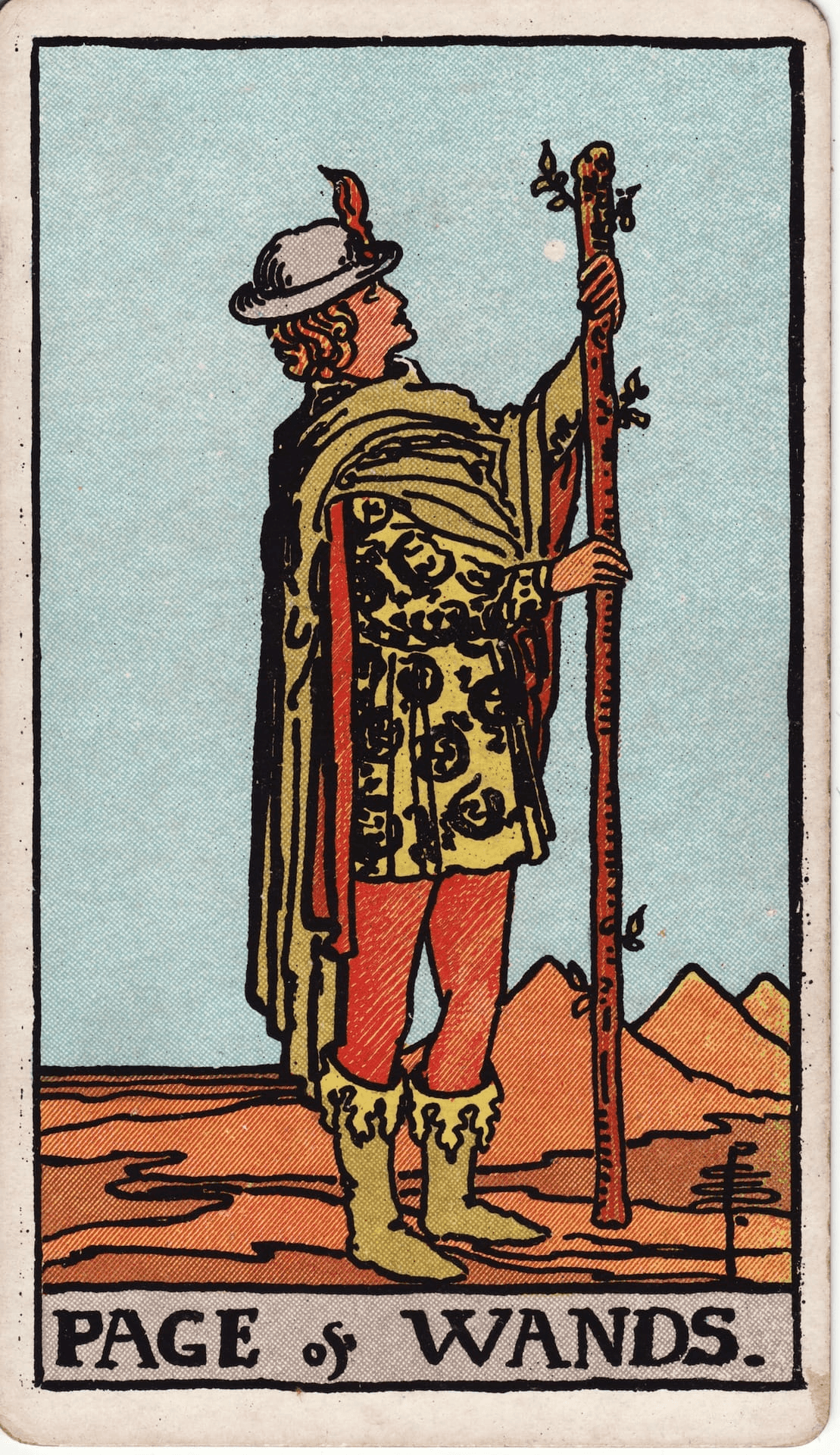
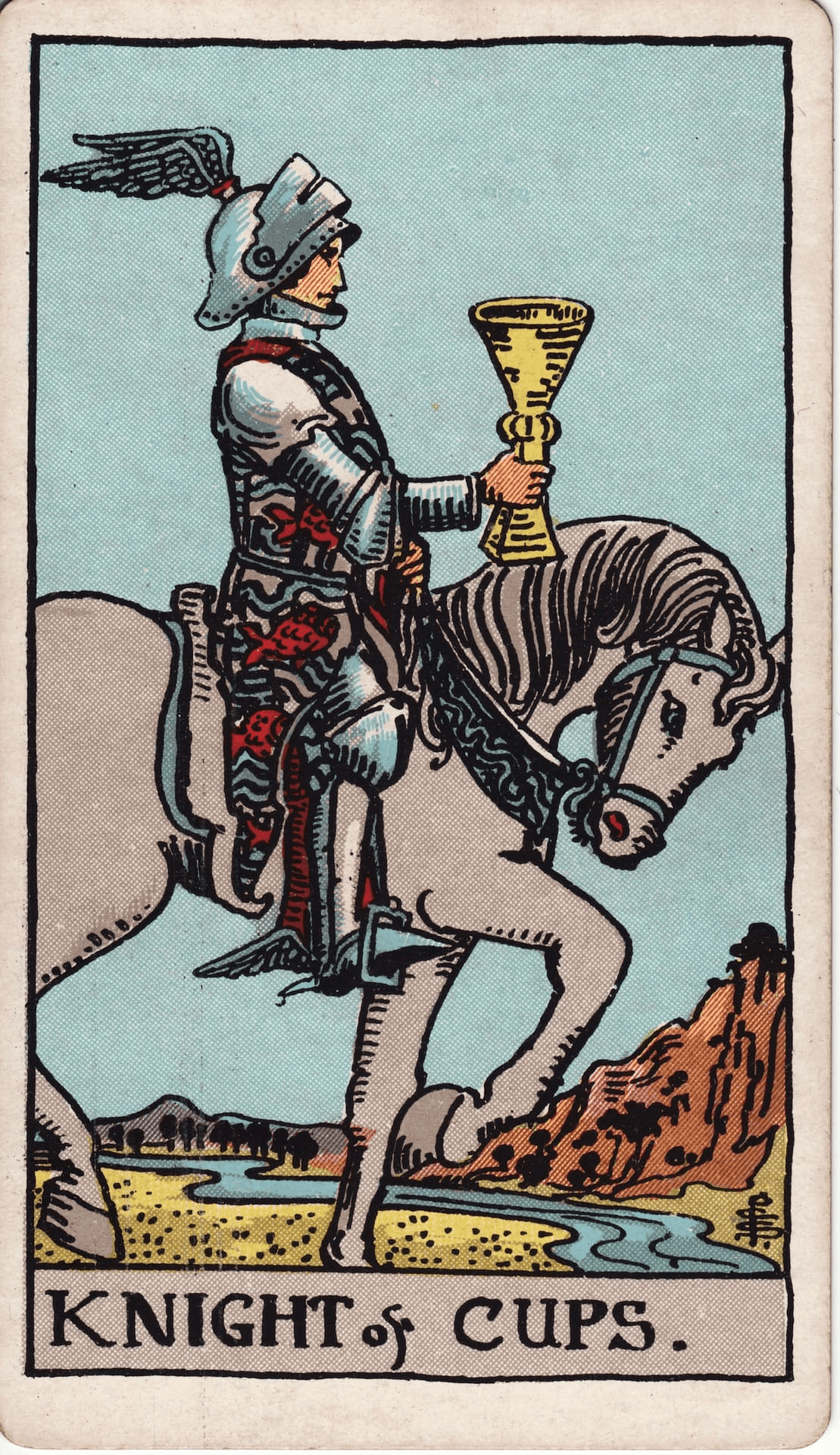
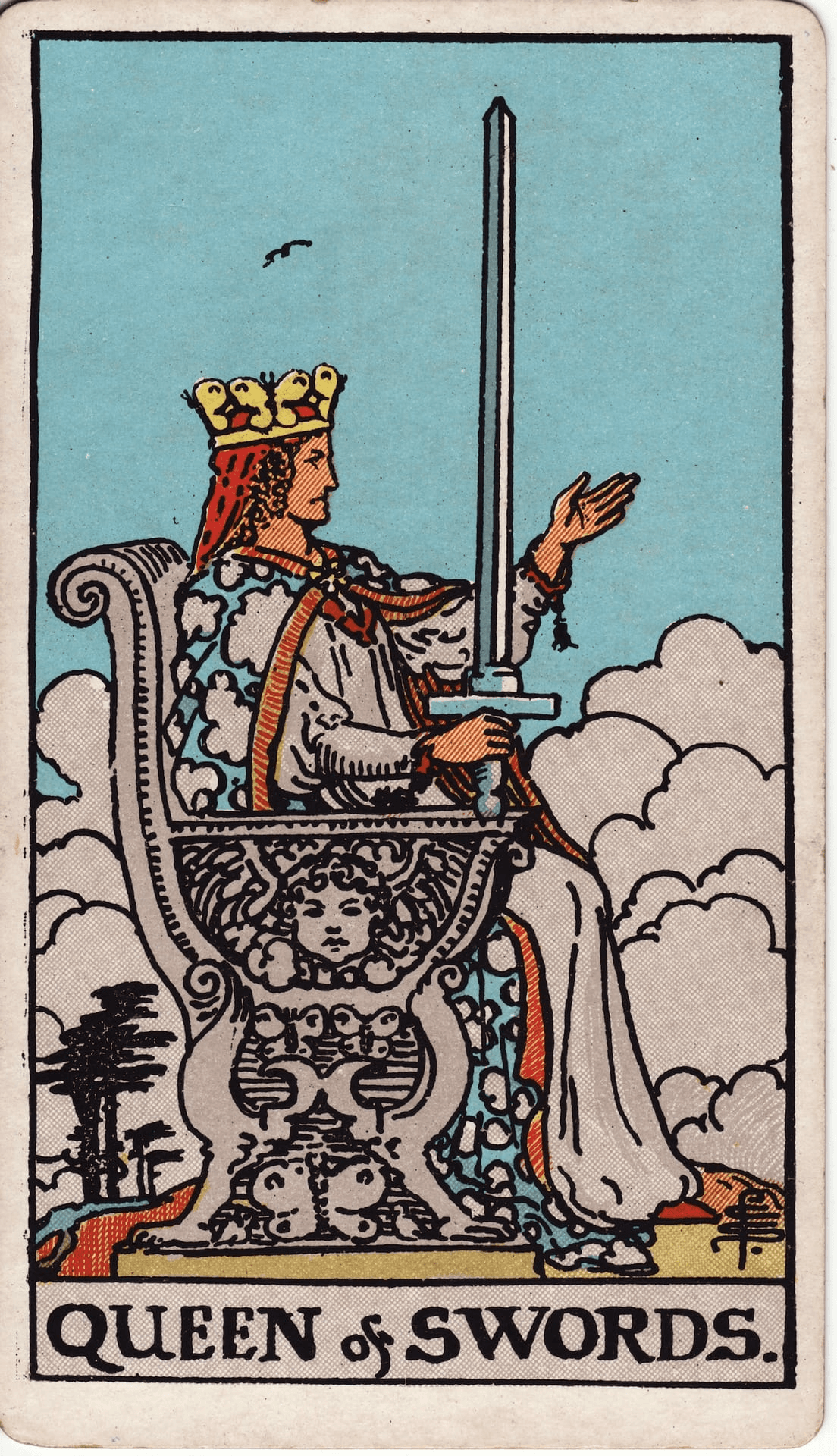
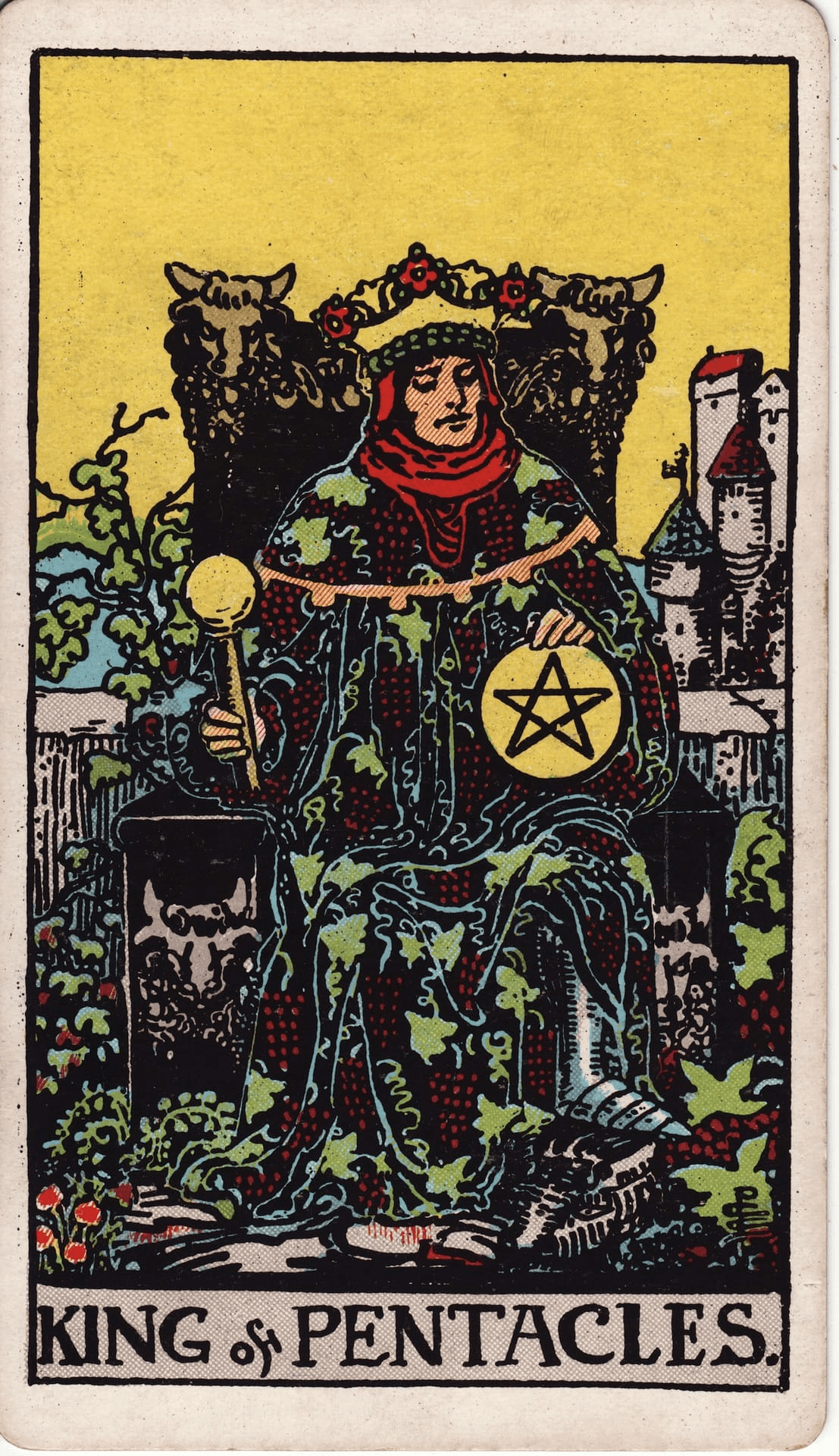
Rider–Waite–Smith examples for illustration. Explore full meanings in the directory.
When you are stuck between “person” and “energy”
Ask: Would this card still make sense if no specific human matched it? If yes, lean symbolic. If the spread is explicitly relational, try a person read first, then refine with surrounding Minors.
Deepen any Court via individual card pages and a focused three-card reading.
Try it on YouTarot
Get a reading tailored to your question
Tarot works best as reflection. Use our AI readings to explore what the cards might highlight for you right now—not as fixed predictions.