Tarot Card Meanings
New: in-depth tarot guides
Spreads, reversals, court cards, and how to ask better questions—with Rider–Waite example spreads.
Browse guidesWelcome to your complete guide to tarot card meanings. Browse the meanings of all 78 tarot cards, from the Major Arcana to the Minor Arcana of Wands, Cups, Swords, and Pentacles. Whether you're a beginner learning the basics or an experienced reader looking for deeper insights, our directory provides clear, detailed interpretations for every card. Use the search and filter tools to find specific cards and enrich your understanding.
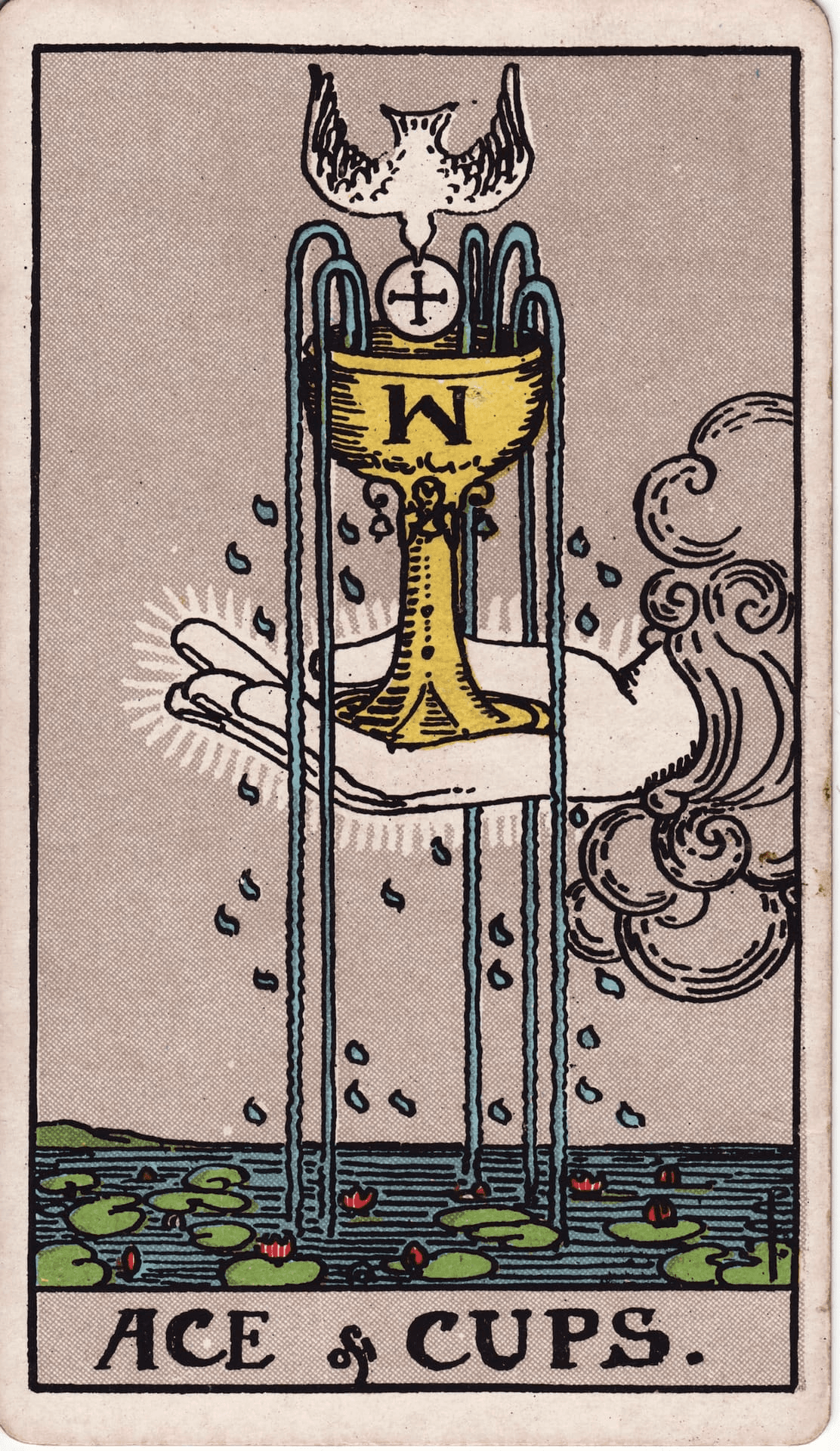
Ace of Cups
The traditional Ace of Cups from the Rider Waite deck represents the purest form of emotional and spiritual fulfillment. It symbolizes the start of a new love, spiritual awakening, or deep emotional connection flowing freely like water from the cup, which is often depicted overflowing with water that forms five streams symbolizing the five senses and intuition.
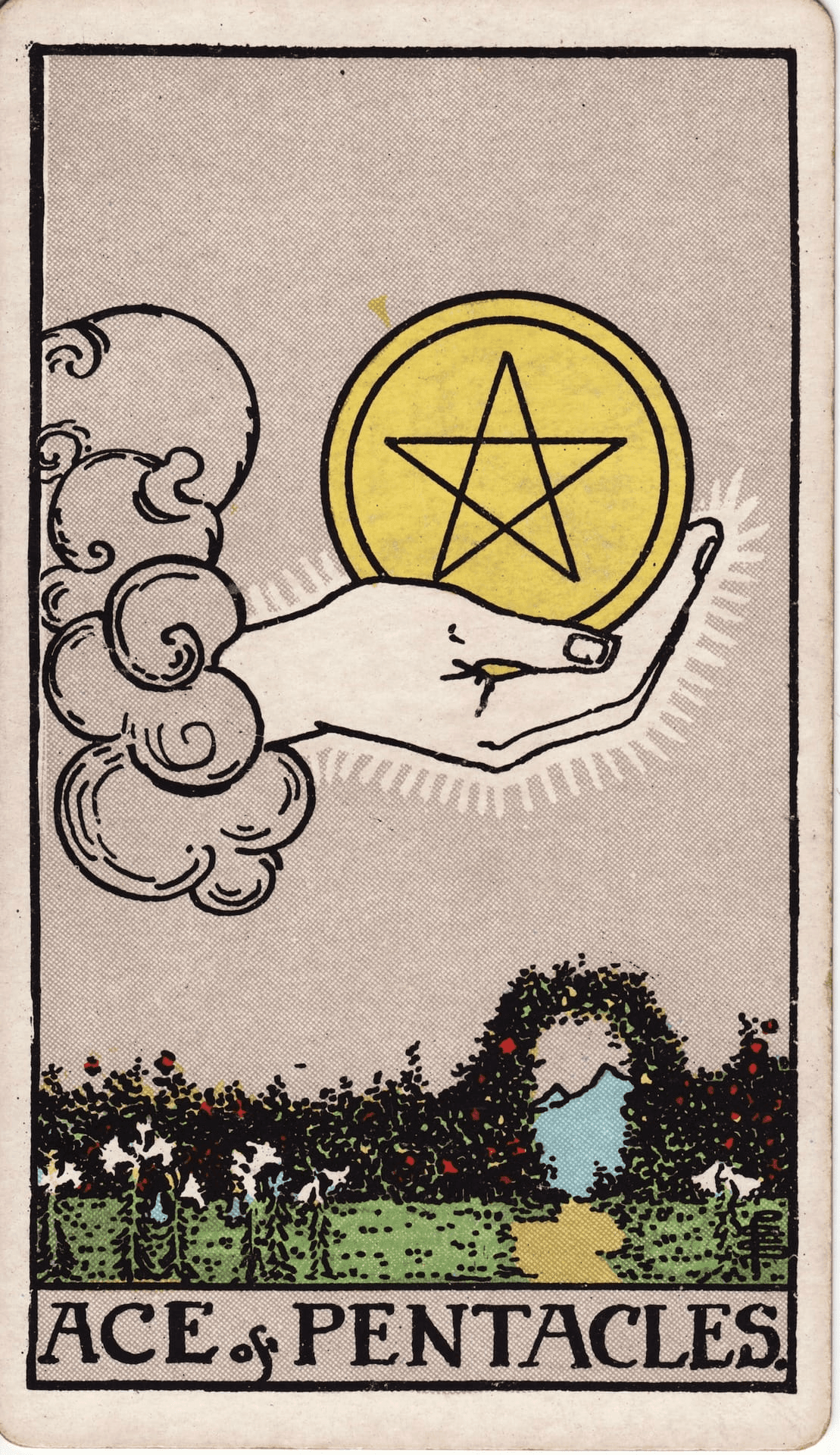
Ace of Pentacles
The Ace of Pentacles in traditional Rider-Waite symbolism heralds the start of new ventures, particularly involving money, career, or tangible assets. It embodies the energy of potential wealth, security, and the promise of material stability through hard work and practical efforts.
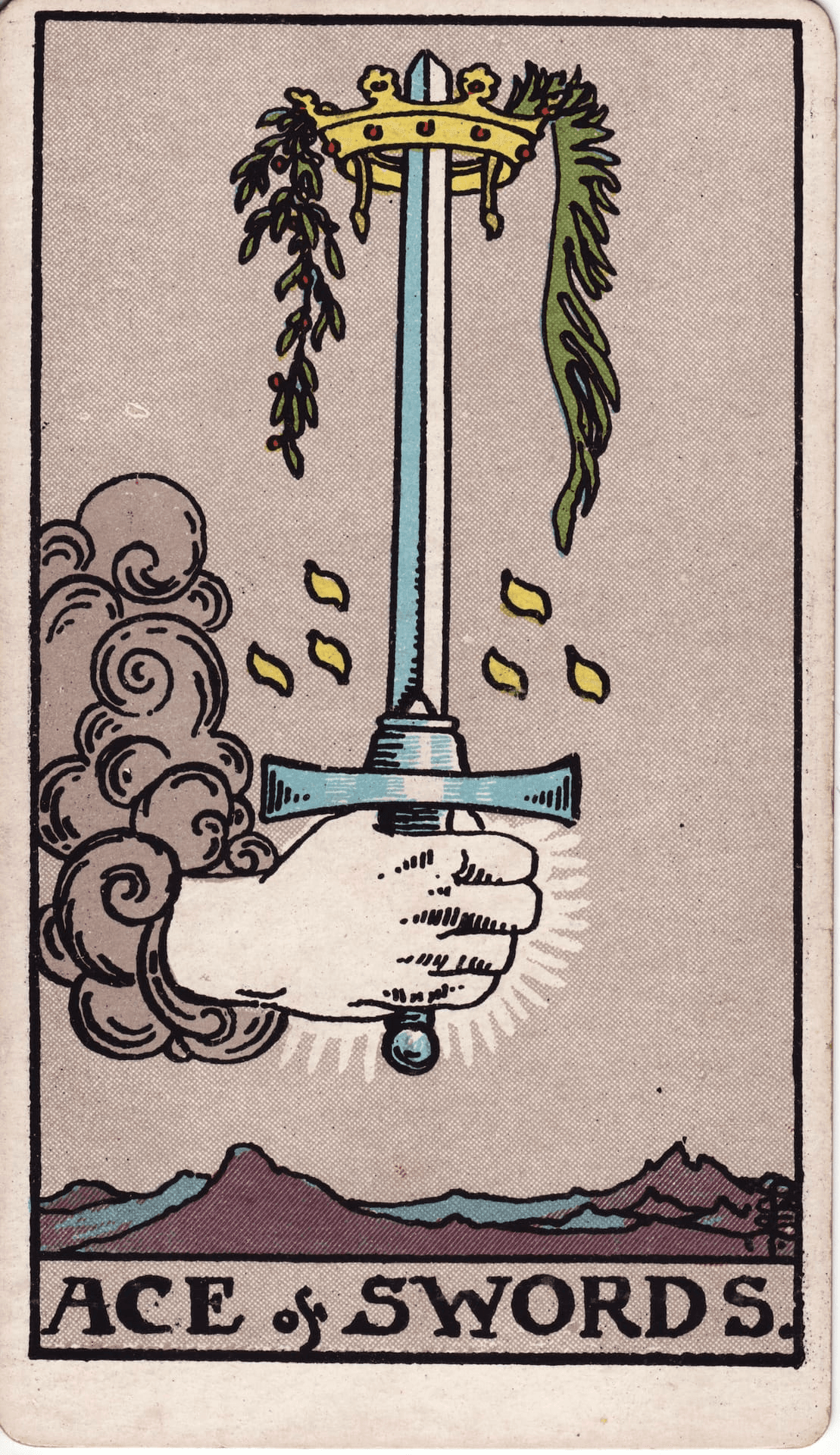
Ace of Swords
In the traditional Rider Waite deck, the Ace of Swords represents triumph of the mind, new ideas, breakthroughs, and the power of intellect. It signifies cutting through illusions to reveal truth and justice. The sword held upright symbolizes authority, decisiveness, and the potential for victory through clear thinking.
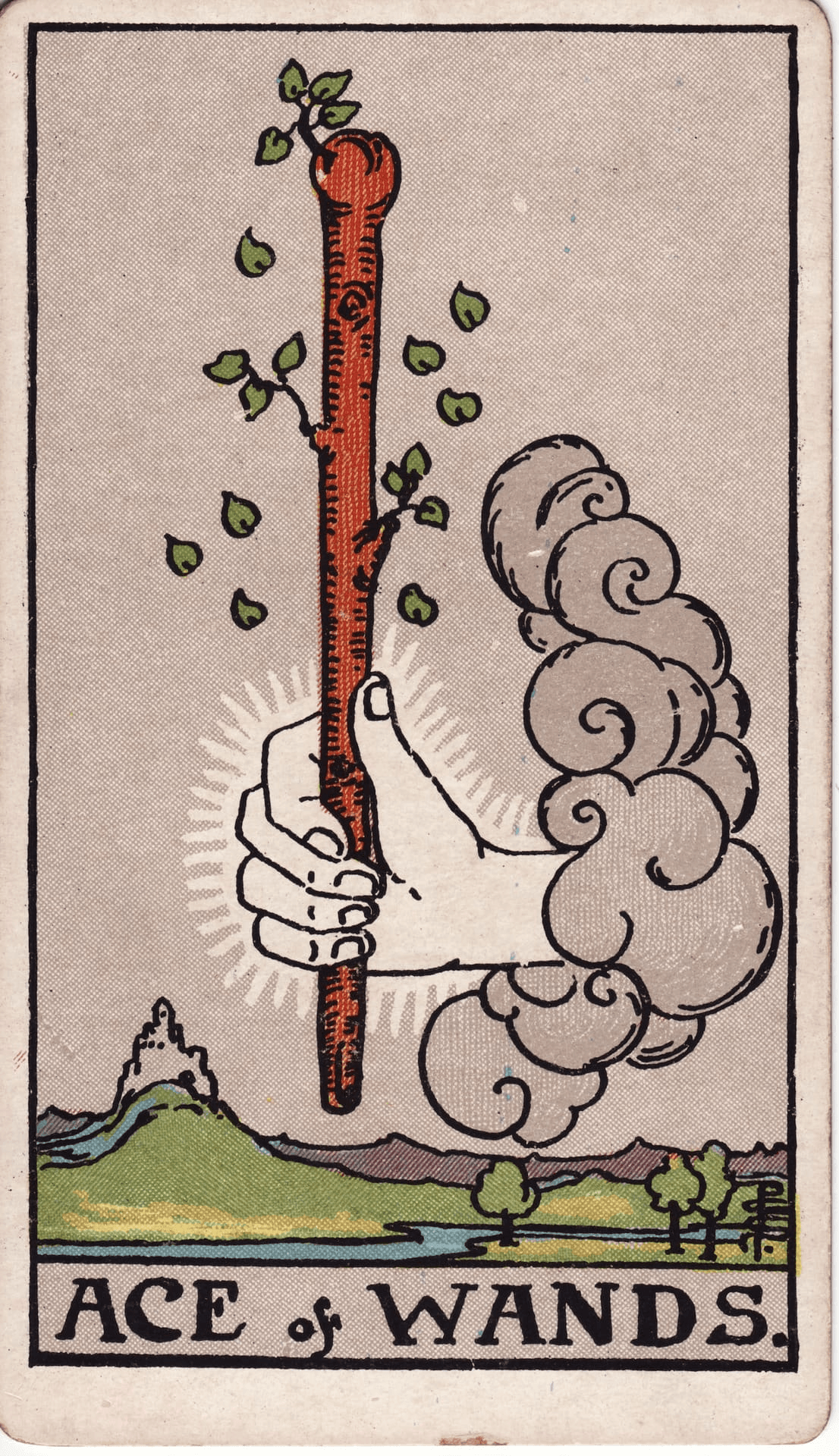
Ace of Wands
In traditional Rider Waite Tarot, the Ace of Wands symbolizes the spark of inspiration and the initial surge of energy needed to start new ventures. It embodies creativity, ambition, and the primal force of creation. It often heralds opportunities for growth and emphasizes the need to seize the moment.
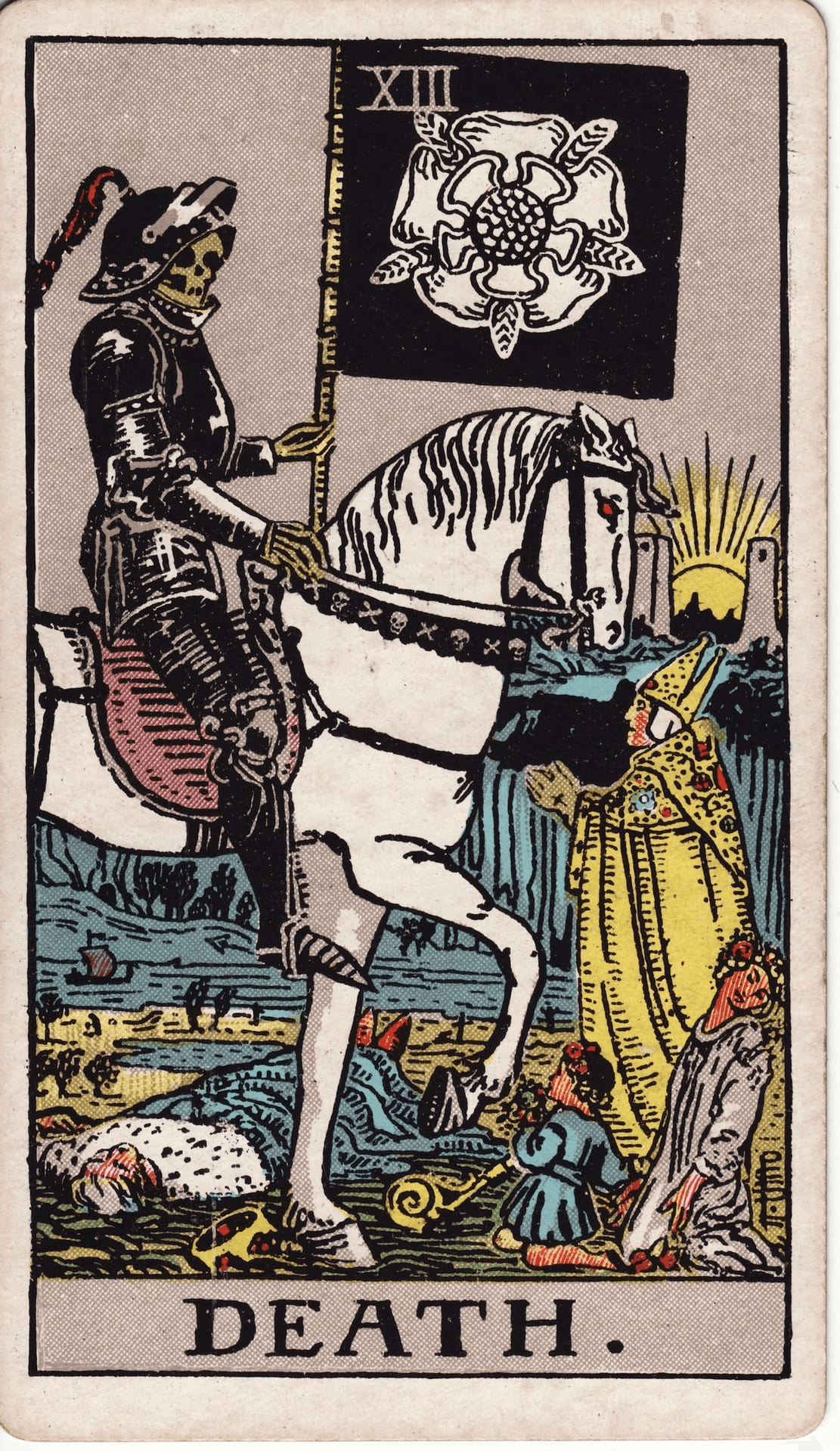
Death
The Death card traditionally represents transformation, the end of a major phase or aspect of life, and the beginning of something new. It is not about literal death but a metaphorical death and rebirth cycle, indicating profound change and renewal.
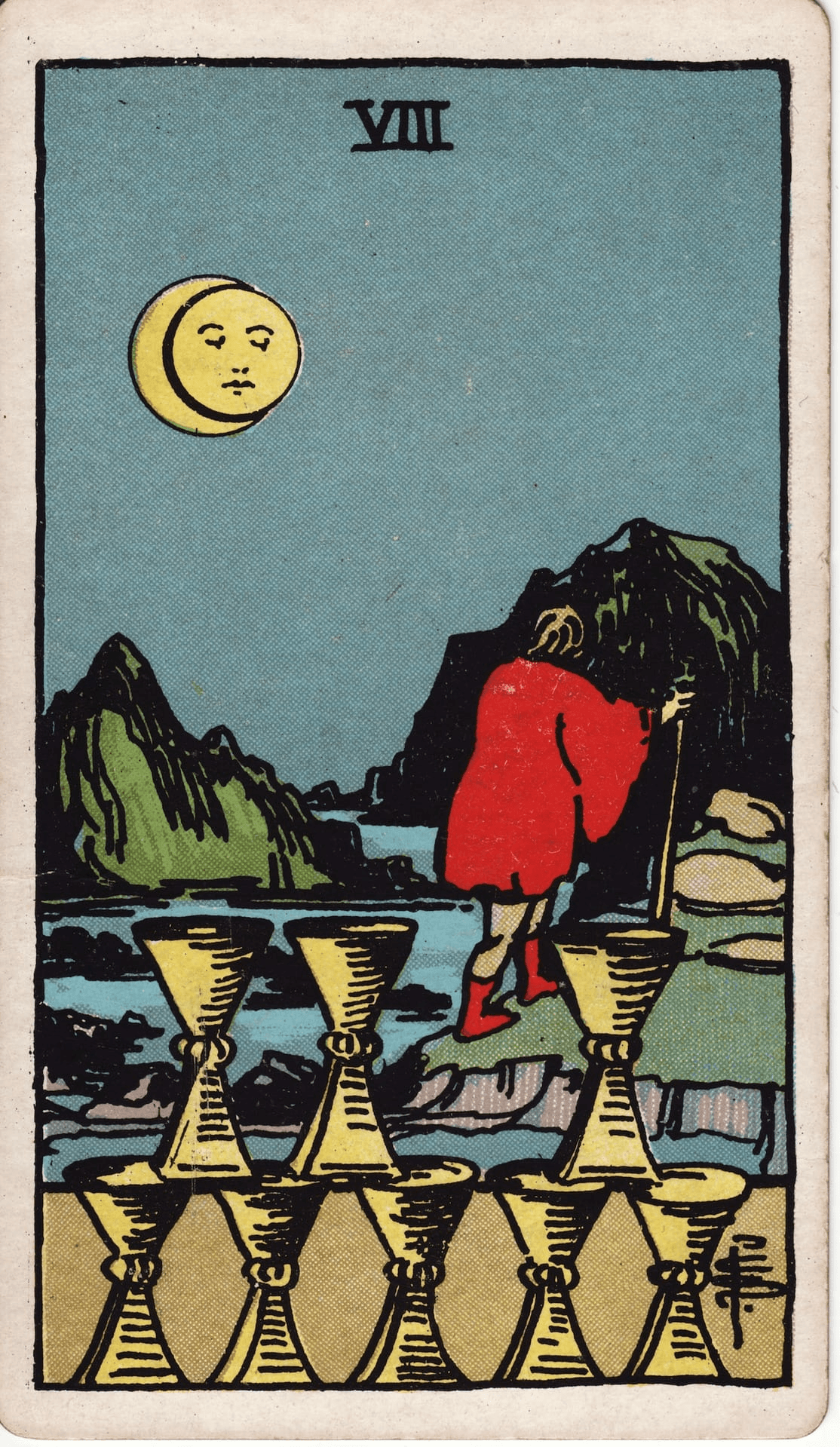
Eight of Cups
Traditionally, the Eight of Cups shows a figure turning their back on eight neatly stacked cups, symbolizing abandonment of past emotional investments in pursuit of spiritual growth and new horizons. It speaks to dissatisfaction and voluntary withdrawal to find deeper fulfillment.
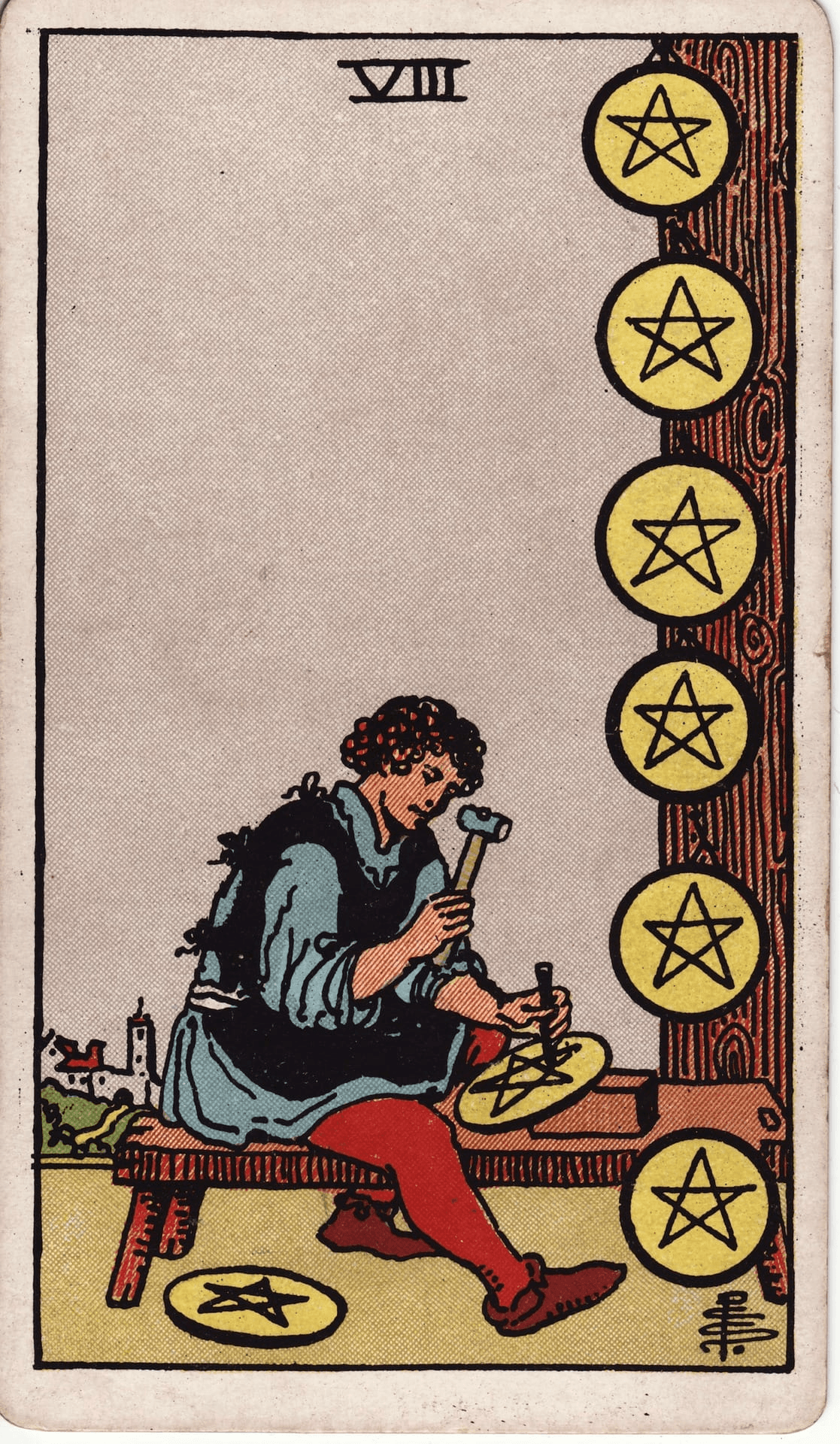
Eight of Pentacles
The traditional Rider Waite Eight of Pentacles features a craftsman diligently working on carving pentacles, symbolizing apprenticeship, skill acquisition, and dedication. It represents the process of learning through practice and the importance of perseverance in achieving mastery in a specific field.
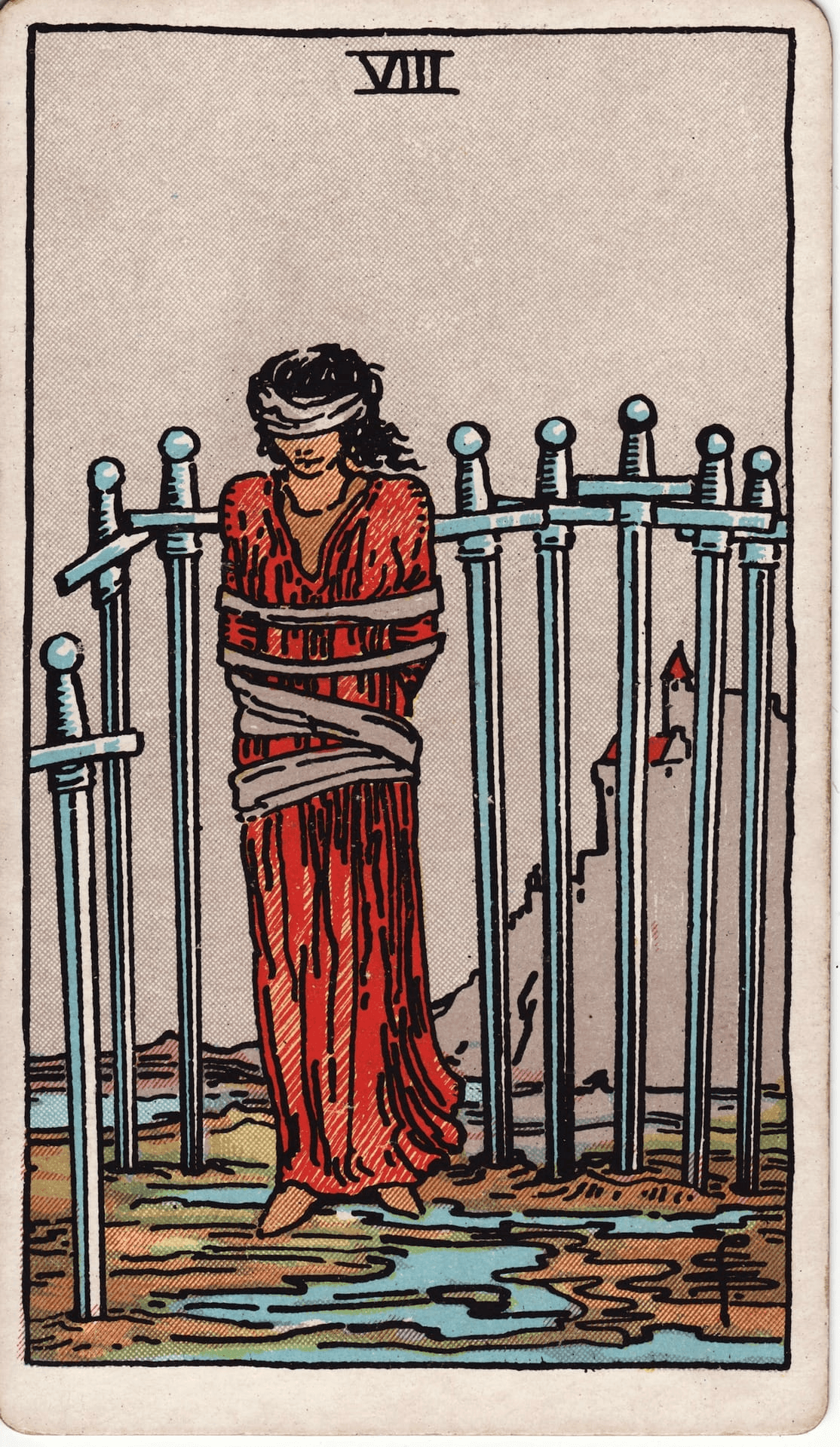
Eight of Swords
The traditional Eight of Swords portrays a woman blindfolded and bound, surrounded by eight swords. It traditionally means feeling trapped in a situation with perceived lack of options, mental restriction, and helplessness. However, it also implies that the bondage is often more mental than physical, suggesting there is a way out if one can shift perspective or seek help.
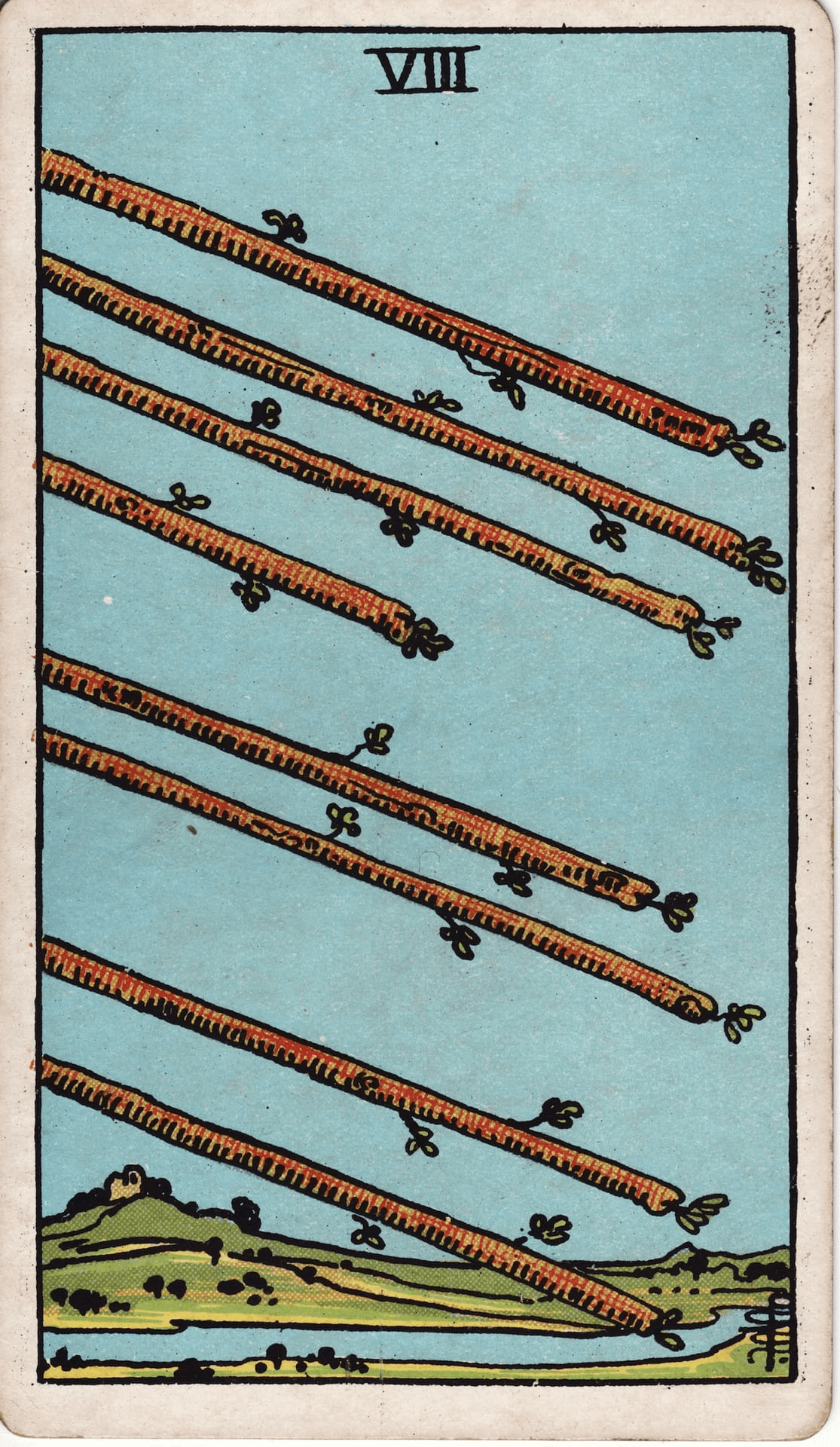
Eight of Wands
In the traditional Rider-Waite tarot deck, the Eight of Wands symbolizes swift movement, speed, and the rapid conclusion of matters. It often indicates messages, communication, or travel arriving quickly, and the momentum necessary to complete tasks efficiently. This card suggests that delays are over and things are moving forward at full speed.
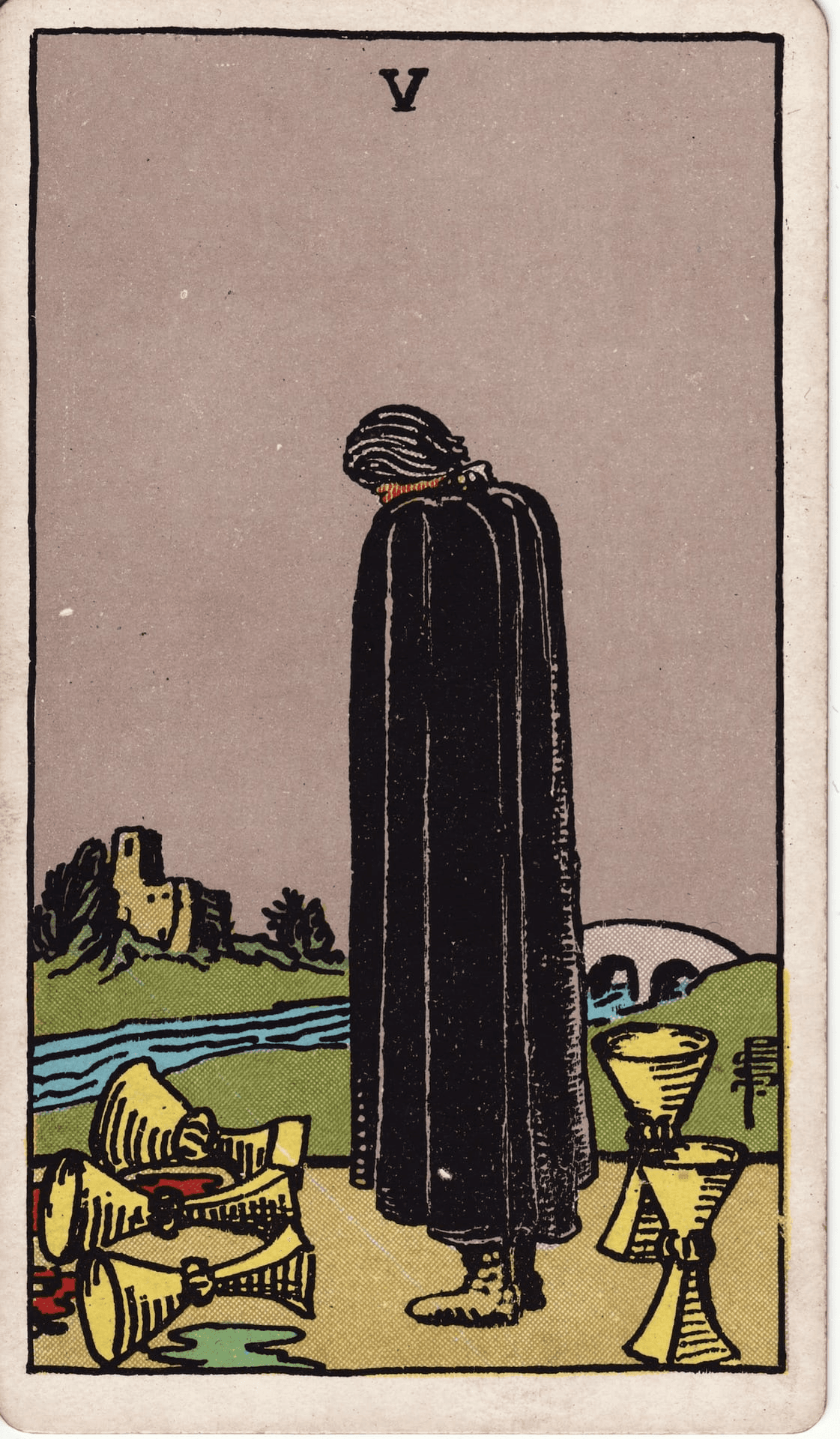
Five of Cups
Traditionally, the Five of Cups in the Rider-Waite deck symbolizes sorrow, disappointment, and mourning. The figure on the card mourns spilled emotions but ignores the two cups still standing, indicating missed opportunities or hope overlooked.
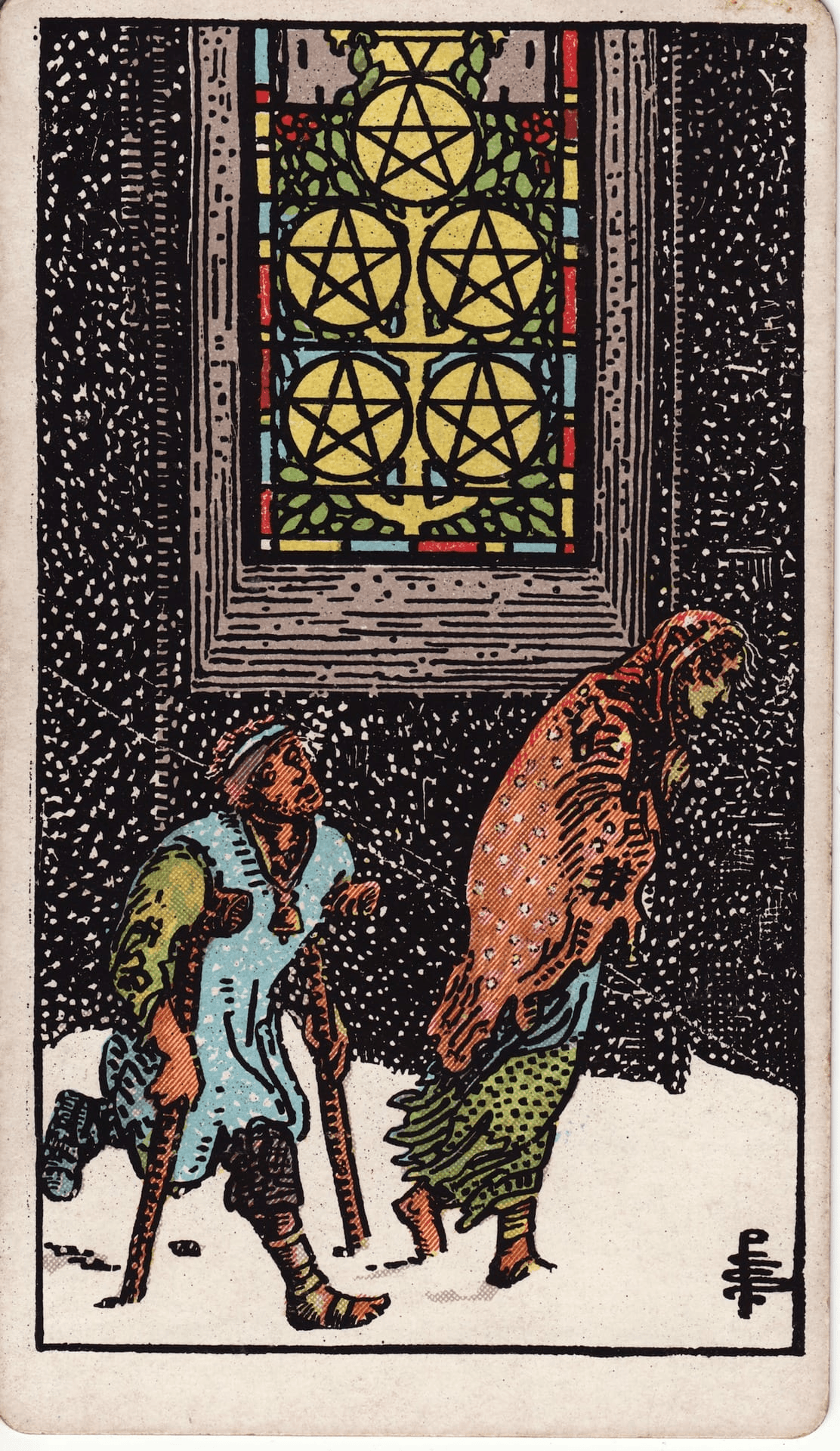
Five of Pentacles
In the traditional Rider-Waite Tarot, the Five of Pentacles represents poverty, struggle, and feeling abandoned during difficult times. It often shows two figures outside in the cold, emphasizing suffering and isolation.
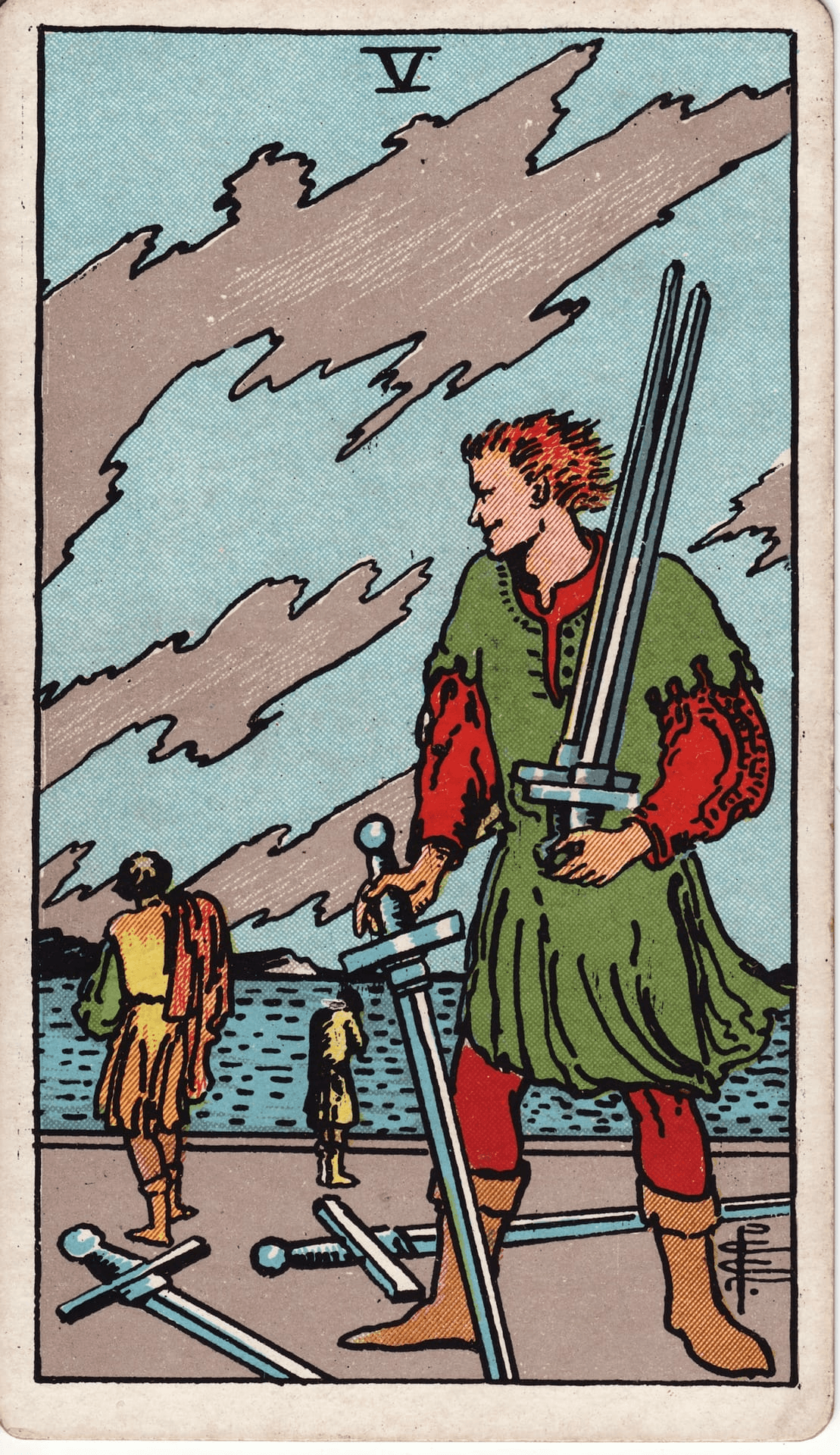
Five of Swords
The traditional Rider Waite Five of Swords depicts a figure holding three swords with a smug or victorious expression, while two opponents walk away defeated. This card traditionally signifies conflict, defeat, hollow victory, and the aftermath of disputes where someone may feel like a winner but at a moral or social cost.