Introduction to Tarot Spreads
Updated 2026-03-29 · 12 min read
A spread is just a pattern of positions—each slot answers part of a larger question. You can read tarot with one card or with ten; complexity should serve clarity, not confusion.
One card: focus and daily practice
A single draw is ideal for a daily check-in, a keyword for the week, or a direct answer to “What matters most here?”
One-card focus example (traditional The Magician)
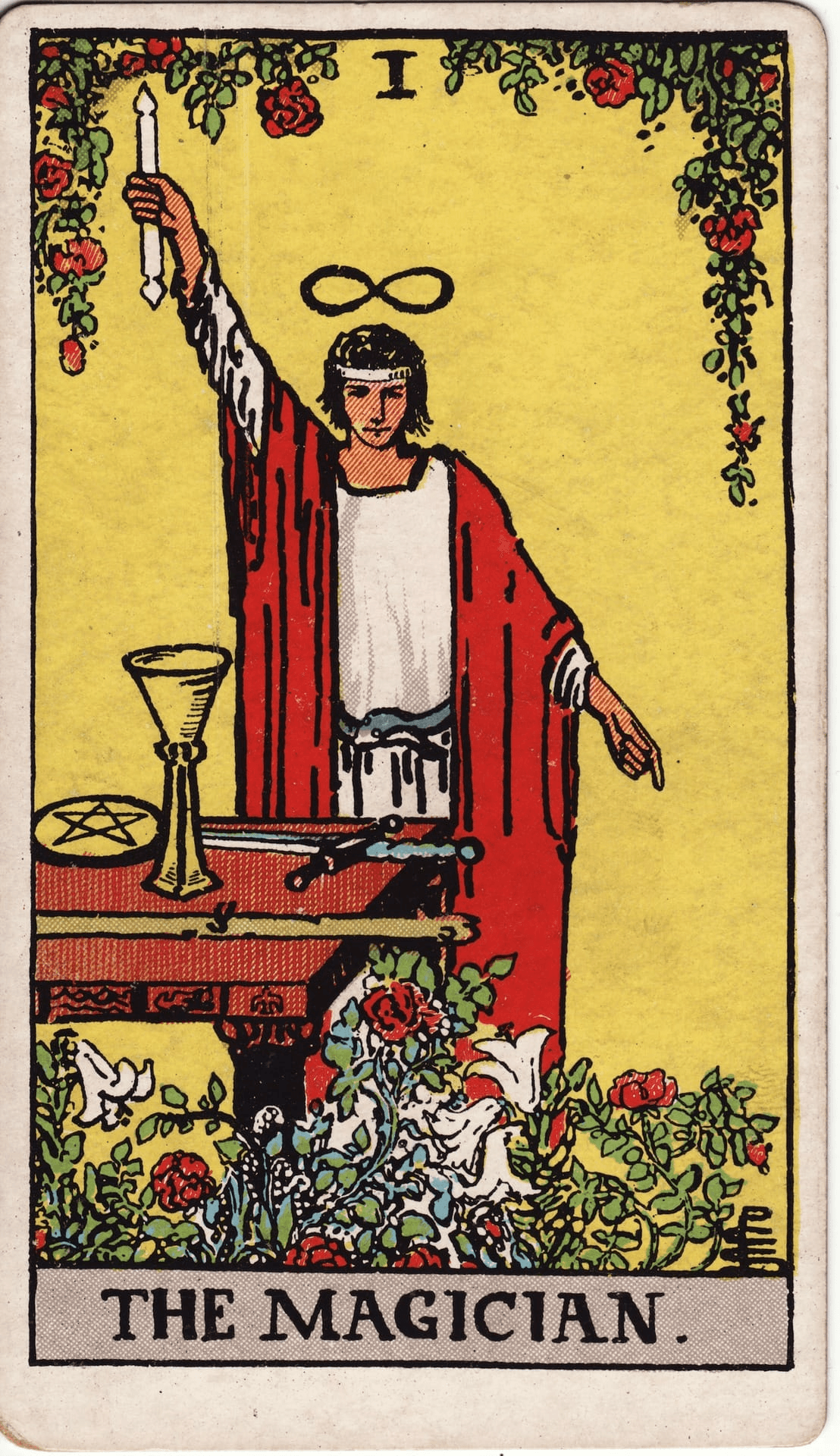
Rider–Waite–Smith examples for illustration. Explore full meanings in the directory.
Three cards: story and sequence
Lines of three cards add time or cause-and-effect. See the full walkthrough in Past, Present & Future.
Three-card line example: opening → tension → integration (illustrative)
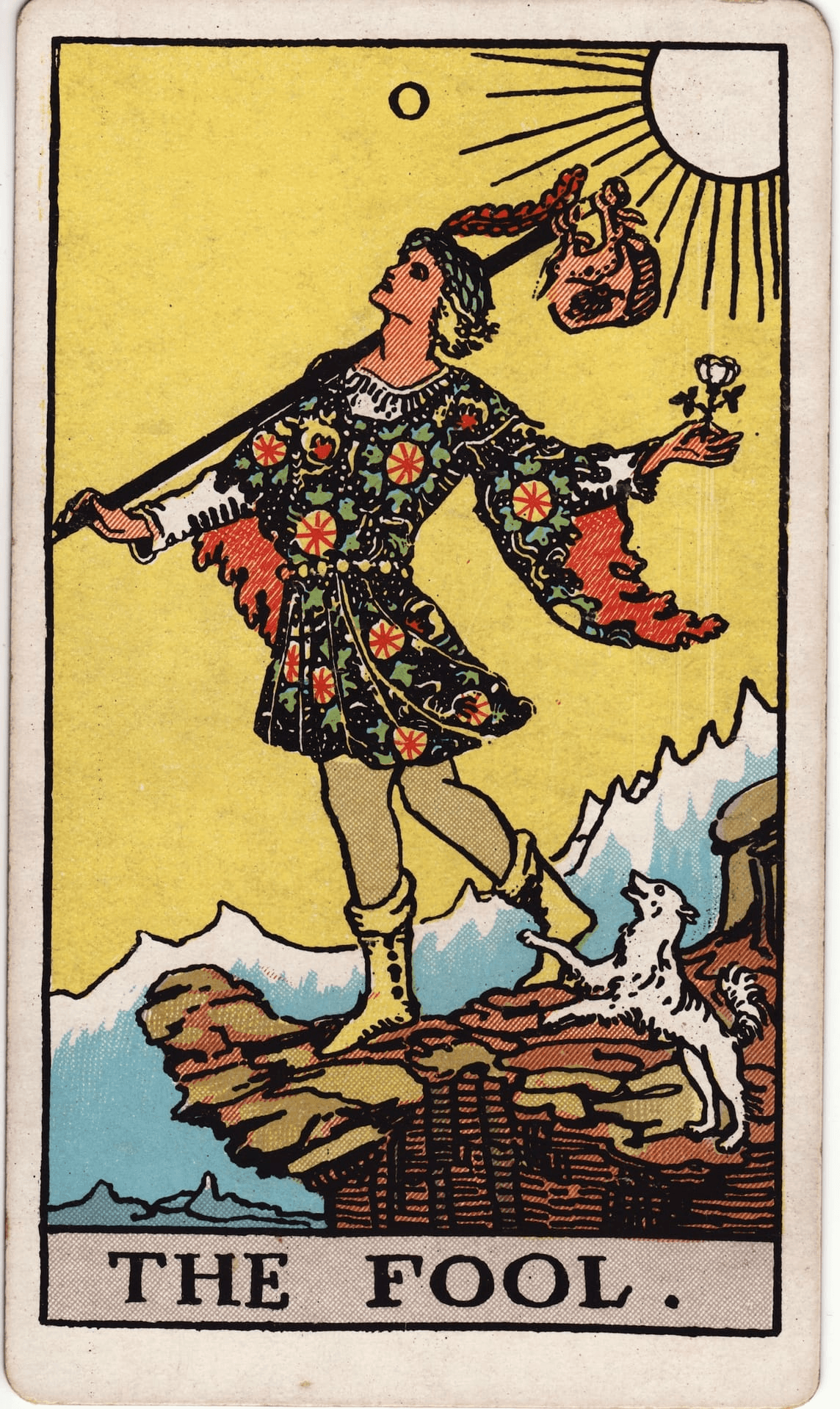
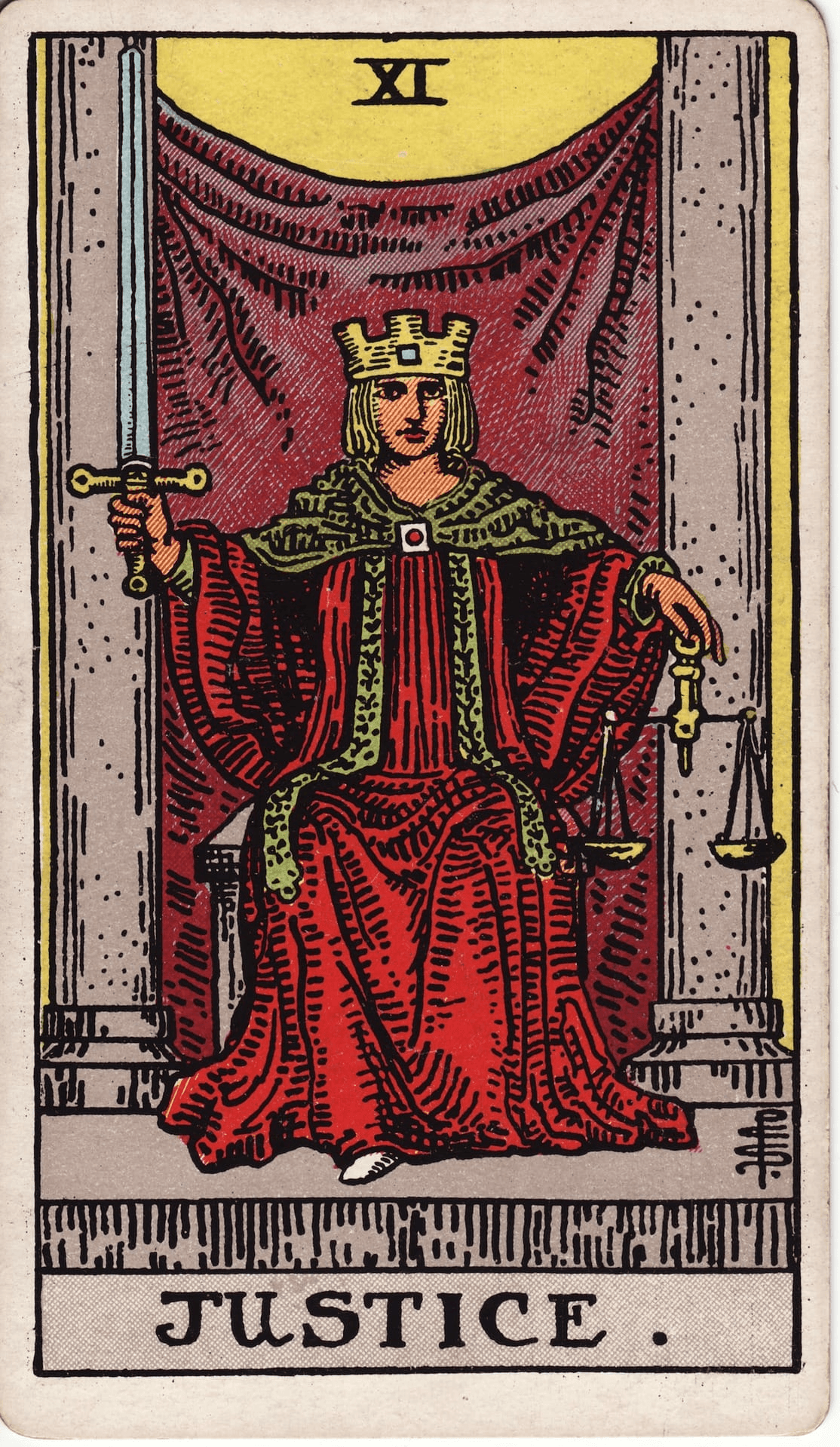
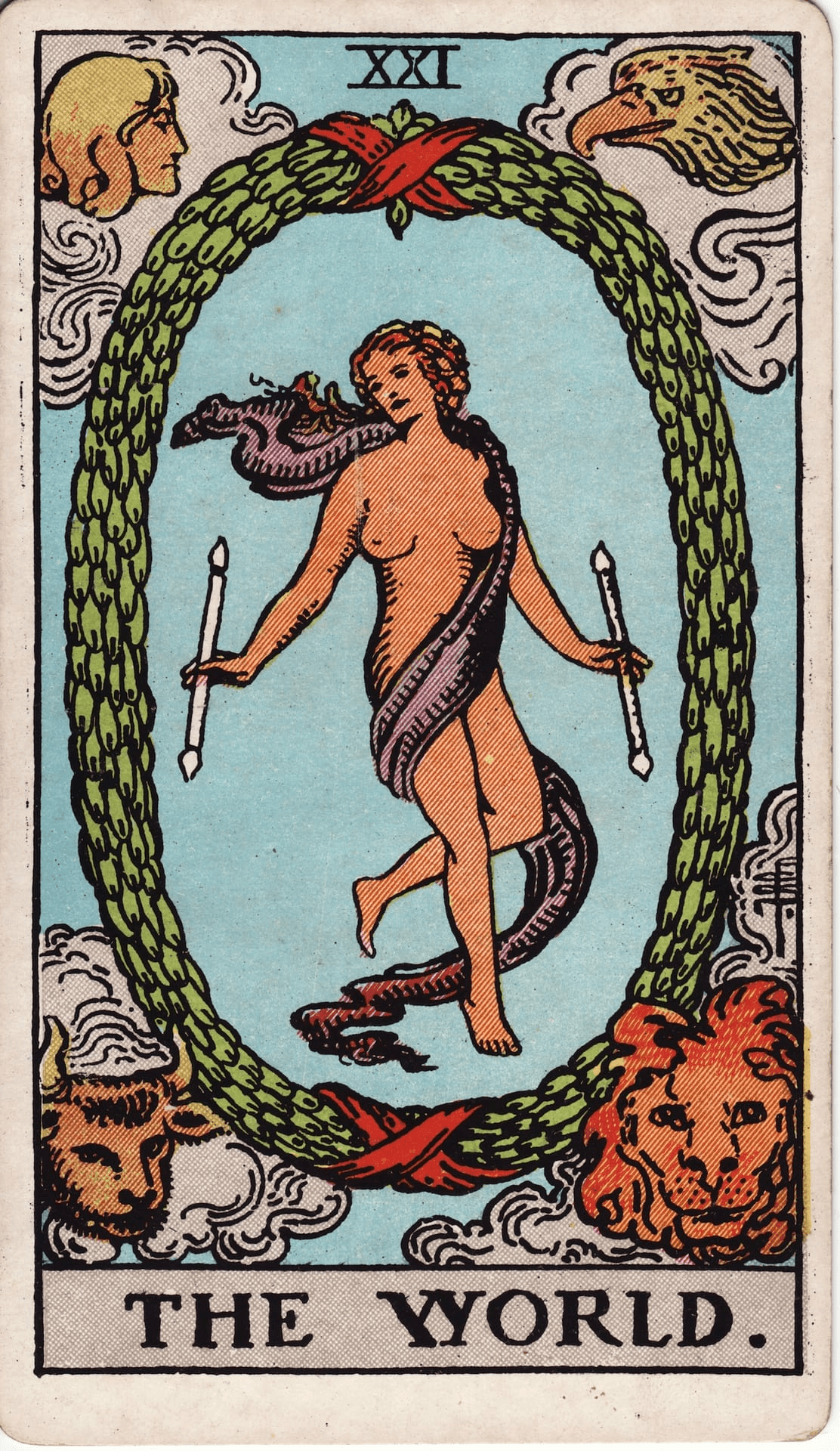
Rider–Waite–Smith examples for illustration. Explore full meanings in the directory.
Celtic cross: big-picture snapshot
The Celtic cross uses ten positions—self, challenge, foundation, past, crown, near future, self-image, environment, hopes or fears, and outcome. It is a map, not a verdict. We break down every seat in the Celtic cross guide, including a visual of the central cross with Rider–Waite cards.
Try it on YouTarot
Get a reading tailored to your question
Tarot works best as reflection. Use our AI readings to explore what the cards might highlight for you right now—not as fixed predictions.