Practice reading tarot
Read the question, look at the cards, and try a short answer. Then open the notes to see a worked reading and why it fits the cards and their positions.
45 pairs · 7 trios · Classic Rider–Waite–Smith cards · Free, no account or deck needed
How to use these exercises
- Read the question first. A card about a choice means something different in a business question than in a question about dating.
- Look at each position. A card describing the problem does not automatically tell you what to do.
- Connect the cards in a short answer. What does the second card add to the first? What practical next step fits this particular question?
Try a reading
Exercise 46 of 52 · Notes opened for 0 of 52 exercises in this visit
“I want to go to my mother's birthday dinner after a family argument. How should I handle it?”
These cards are upright. Read them in the positions shown.
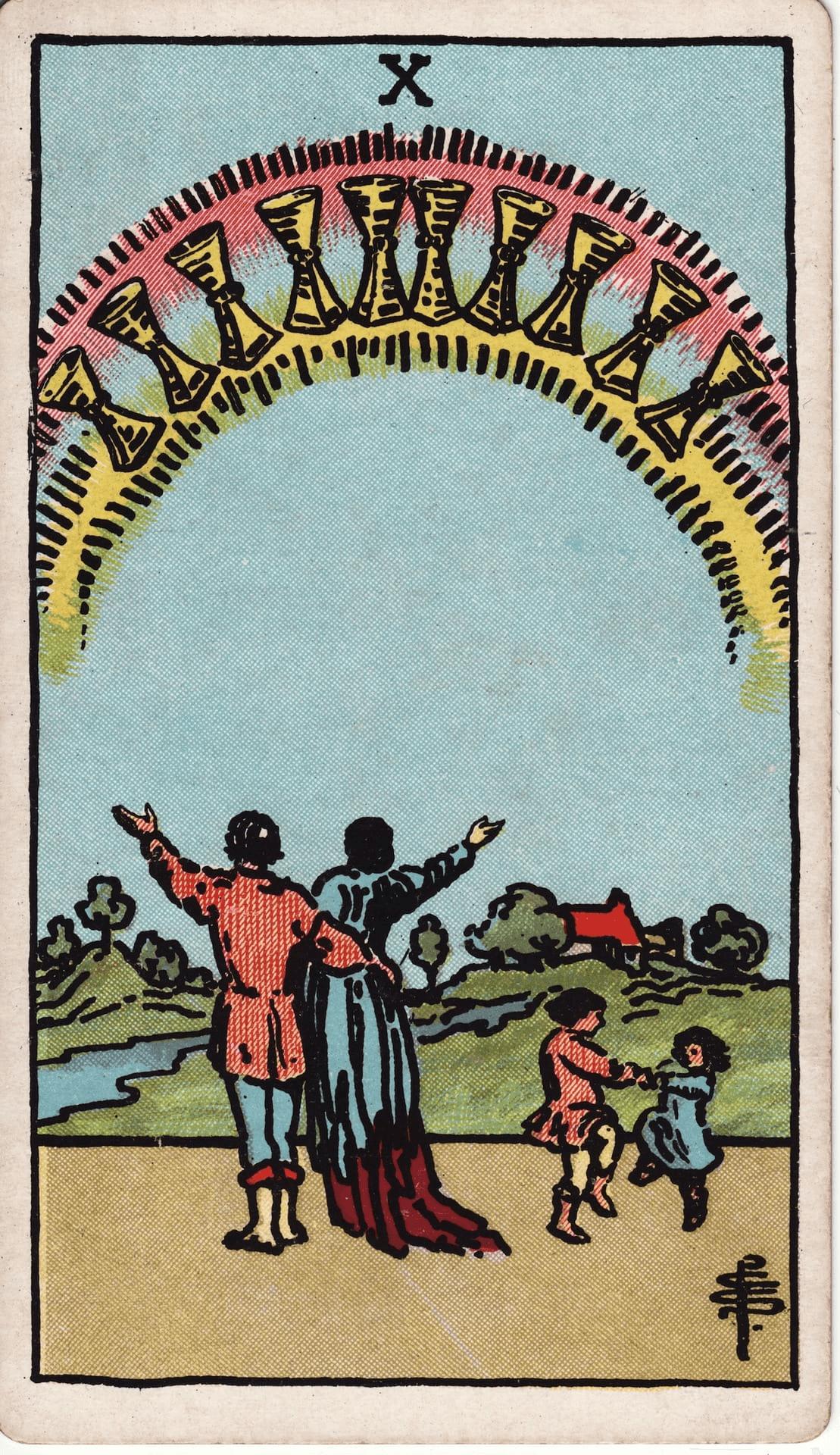 Ten of Cups
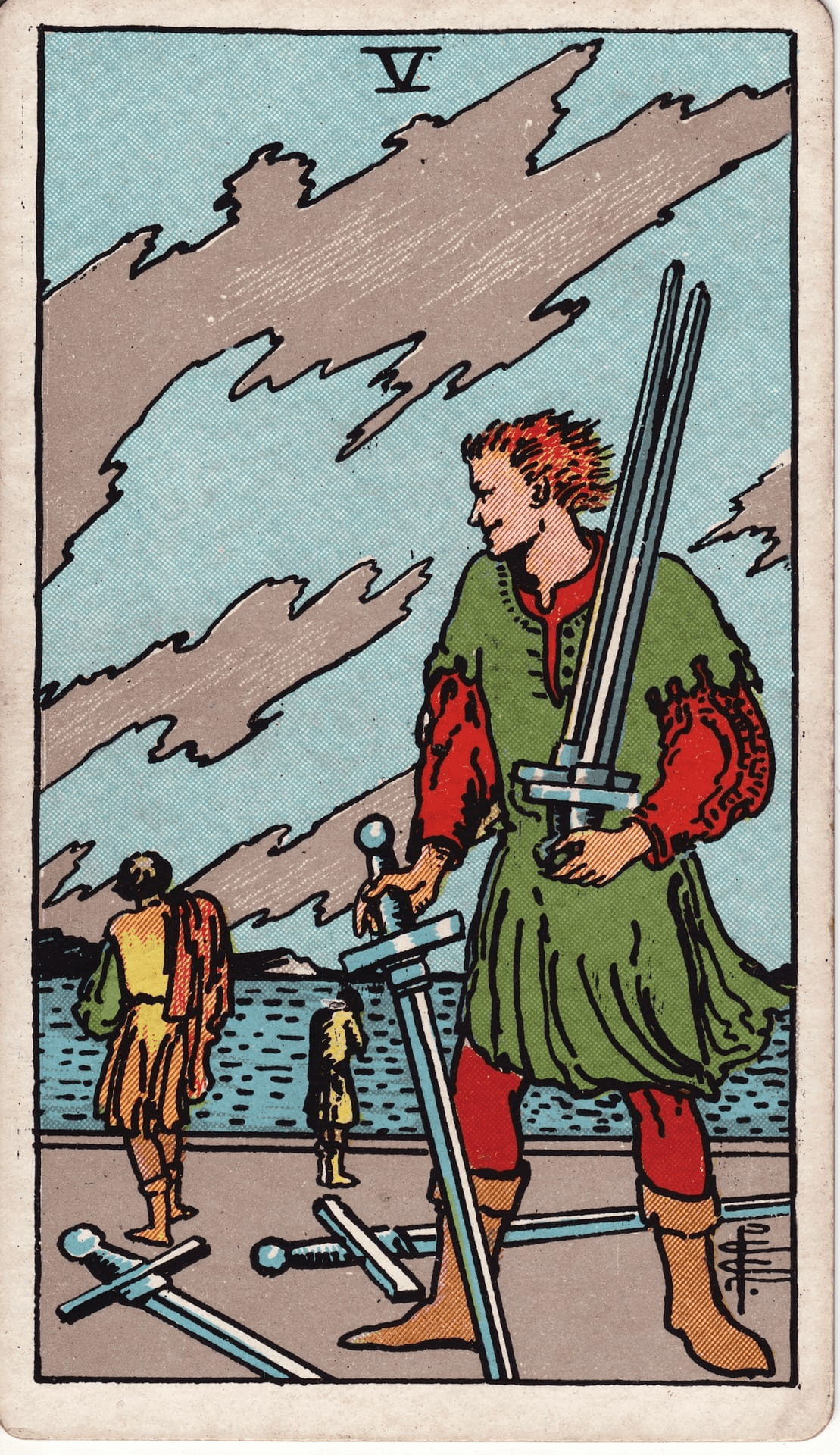 Five of Swords
Try two or three sentences. Answer the question, give each card its assigned job, and suggest something the person could do.
Writing is optional. Your notes stay in this tab, are not sent or saved, and disappear when you reload the page.
Reveal the worked reading and notes
One reading that fits
You want to celebrate your mother without turning dinner into another round of the argument. The Ten of Cups gives that shared occasion a place in the reading. The Five of Swords warns against using the table to collect allies or land one last remark. If there is something to resolve, suggest a separate conversation. Decide beforehand what you can leave alone for the evening and what boundary you need to state if someone starts again.
Why it fits the cards
- The Ten of Cups shows a family beneath a rainbow of cups. As what you want to protect, it fits a shared occasion and the wish to spend time together.
- The Five of Swords shows people leaving after a conflict while one figure keeps the swords. As a risk, it fits being more interested in the last word than in the reason everyone came.
Change the positions
Put the Five of Swords in the problem position and the unresolved argument needs attention before the occasion. The Ten of Cups as advice could ask what agreement would make family time possible; it would not ask everyone to act as if a polite dinner settles the dispute.
A mistake to avoid
Protecting an occasion does not require tolerating insults. The Ten of Cups is not a rule that keeping the family together matters more than how people treat each other.
If Ten of Cups is reversed
The picture of a happy family may be asking more of you than the actual relationship can offer. Decide what attending means for you: celebrating your mother may be possible without pretending to feel close to everyone at the table.
Your wording can differ. Check whether your reading answers the question and whether you can point to the cards and positions to explain it.
Read the combination articleChoose an exercise
Compare your reasoning, not your wording
There is no score here. Two readings can use different words and still fit the cards. Ask whether your answer addresses the question, respects the positions, and explains how the cards connect. If you could swap in almost any card without changing your answer, try making it more specific.
The notes also show how different positions or a reversed card could change the reading. These are fictional situations for learning. A card does not establish someone else’s private feelings or guarantee what will happen.
Need a hand with the basics? Browse individual card meanings, compare the court cards, or use the combination finder for cards you have drawn yourself.