Practice reading tarot
Read the question, look at the cards, and try a short answer. Then open the notes to see a worked reading and why it fits the cards and their positions.
45 pairs · 7 trios · Classic Rider–Waite–Smith cards · Free, no account or deck needed
How to use these exercises
- Read the question first. A card about a choice means something different in a business question than in a question about dating.
- Look at each position. A card describing the problem does not automatically tell you what to do.
- Connect the cards in a short answer. What does the second card add to the first? What practical next step fits this particular question?
Try a reading
Exercise 11 of 52 · Notes opened for 0 of 52 exercises in this visit
“How do I handle family dinners that keep ending in an argument?”
These cards are upright. Read them in the positions shown.
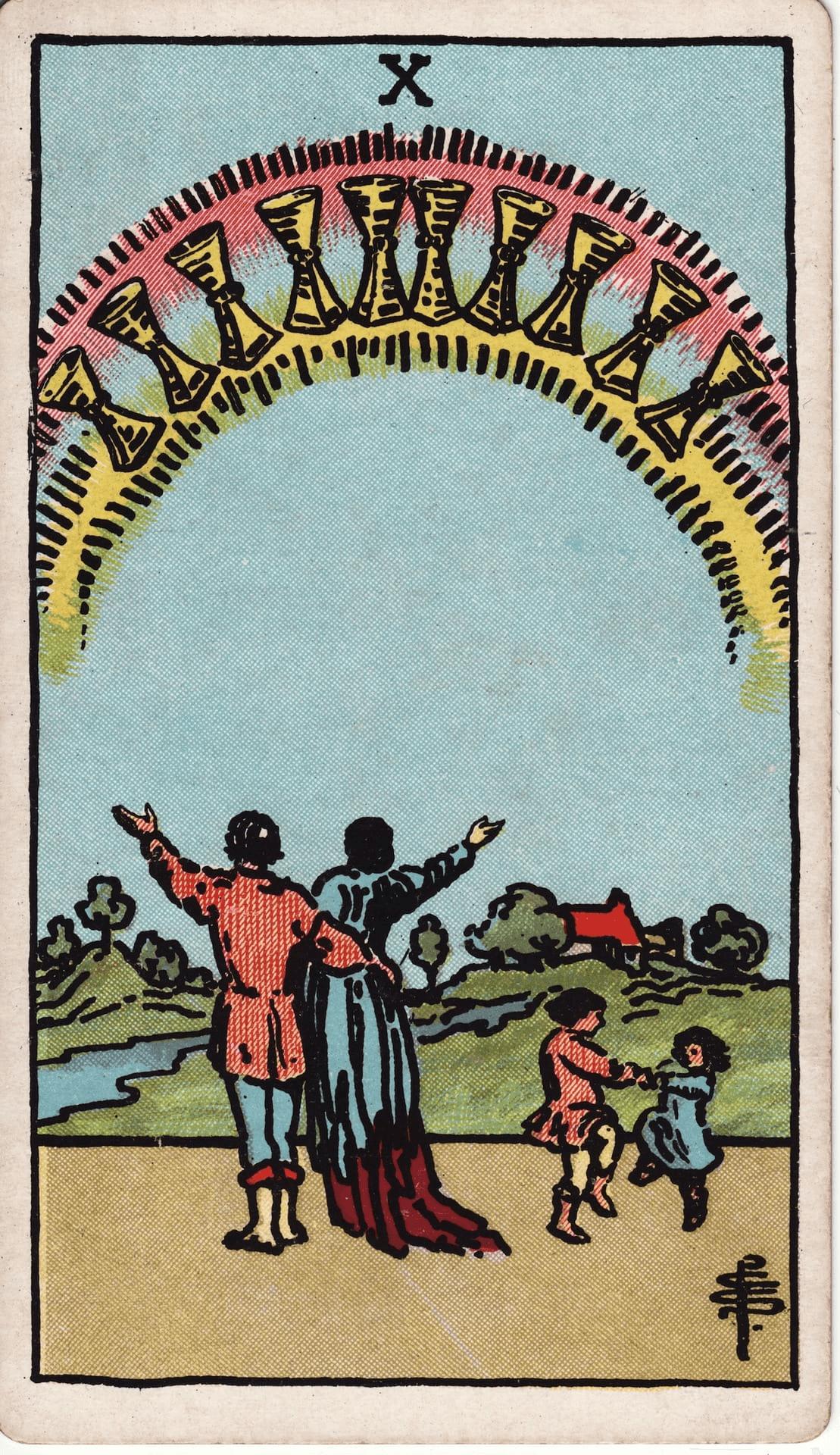 Ten of Cups
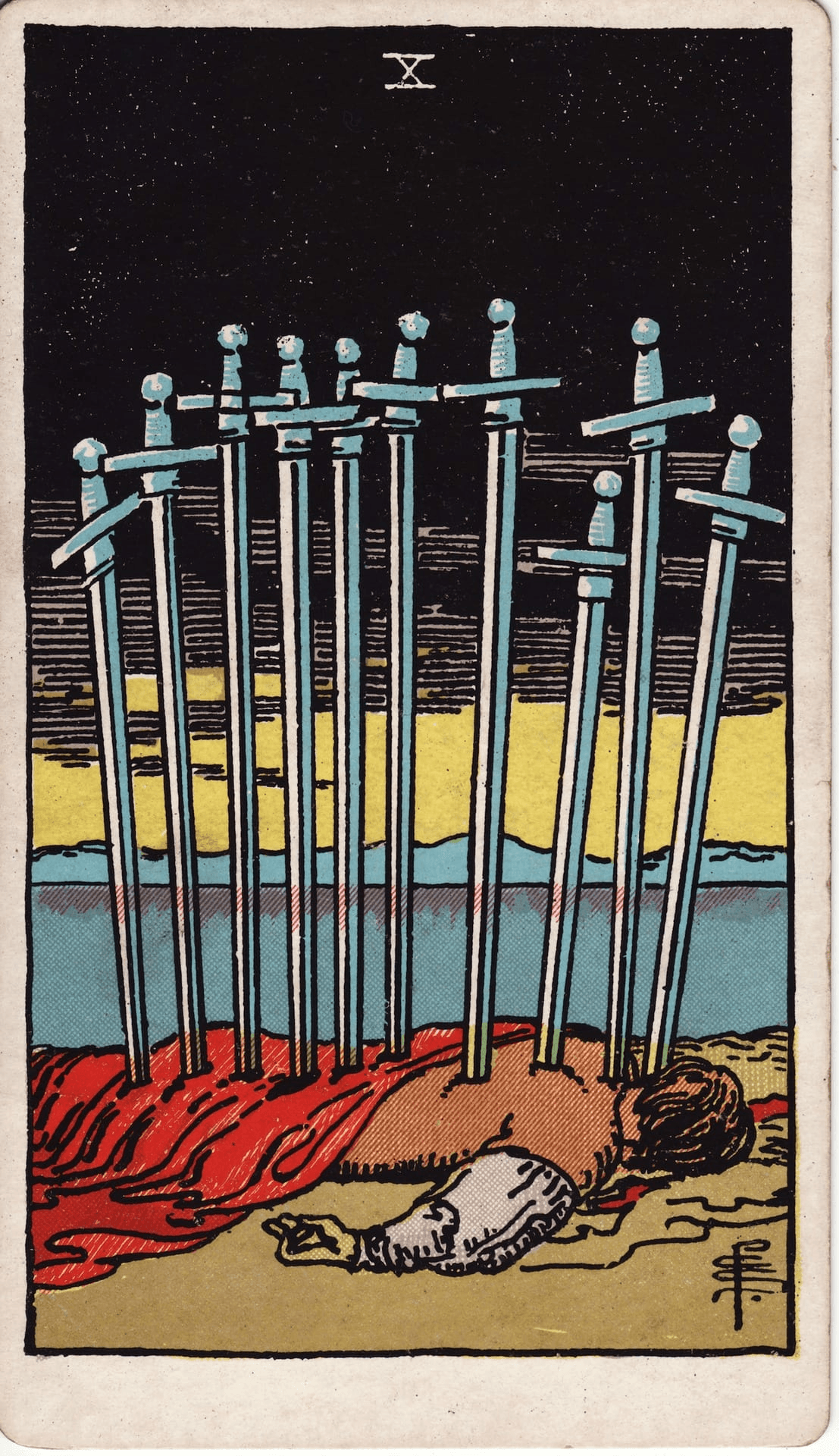 Ten of Swords
Try two or three sentences. Answer the question, give each card its assigned job, and suggest something the person could do.
Writing is optional. Your notes stay in this tab, are not sent or saved, and disappear when you reload the page.
Reveal the worked reading and notes
One reading that fits
You want to belong to your family without going through the same painful evening again. Ten of Cups names the wish for togetherness; Ten of Swords asks you to acknowledge that the current arrangement is exhausting you. A shorter visit or a different setting may be more realistic than expecting the next dinner to repair everything.
Why it fits the cards
- Ten of Cups describes the kind of family connection you value. In a hope position, it does not mean the dinners already feel harmonious.
- Ten of Swords marks a limit or ending. It challenges continuing the same arrangement simply because it is supposed to make everyone happy.
Change the positions
With Ten of Swords as the past and Ten of Cups as support, the pair could point to finding comfort with people who welcome you after a painful ending.
A mistake to avoid
These cards do not prove that your family is beyond repair. Ending one pattern is different from ending every relationship.
If Ten of Swords is reversed
Consider whether the worst of the conflict has passed or whether you keep reopening it. Recovery still needs a change in what happens at the next gathering.
Your wording can differ. Check whether your reading answers the question and whether you can point to the cards and positions to explain it.
Read the combination articleChoose an exercise
Compare your reasoning, not your wording
There is no score here. Two readings can use different words and still fit the cards. Ask whether your answer addresses the question, respects the positions, and explains how the cards connect. If you could swap in almost any card without changing your answer, try making it more specific.
The notes also show how different positions or a reversed card could change the reading. These are fictional situations for learning. A card does not establish someone else’s private feelings or guarantee what will happen.
Need a hand with the basics? Browse individual card meanings, compare the court cards, or use the combination finder for cards you have drawn yourself.