Practice reading tarot
Read the question, look at the cards, and try a short answer. Then open the notes to see a worked reading and why it fits the cards and their positions.
45 pairs · 7 trios · Classic Rider–Waite–Smith cards · Free, no account or deck needed
How to use these exercises
- Read the question first. A card about a choice means something different in a business question than in a question about dating.
- Look at each position. A card describing the problem does not automatically tell you what to do.
- Connect the cards in a short answer. What does the second card add to the first? What practical next step fits this particular question?
Try a reading
Exercise 13 of 52 · Notes opened for 0 of 52 exercises in this visit
“How do I start again after an unexpected job loss?”
These cards are upright. Read them in the positions shown.
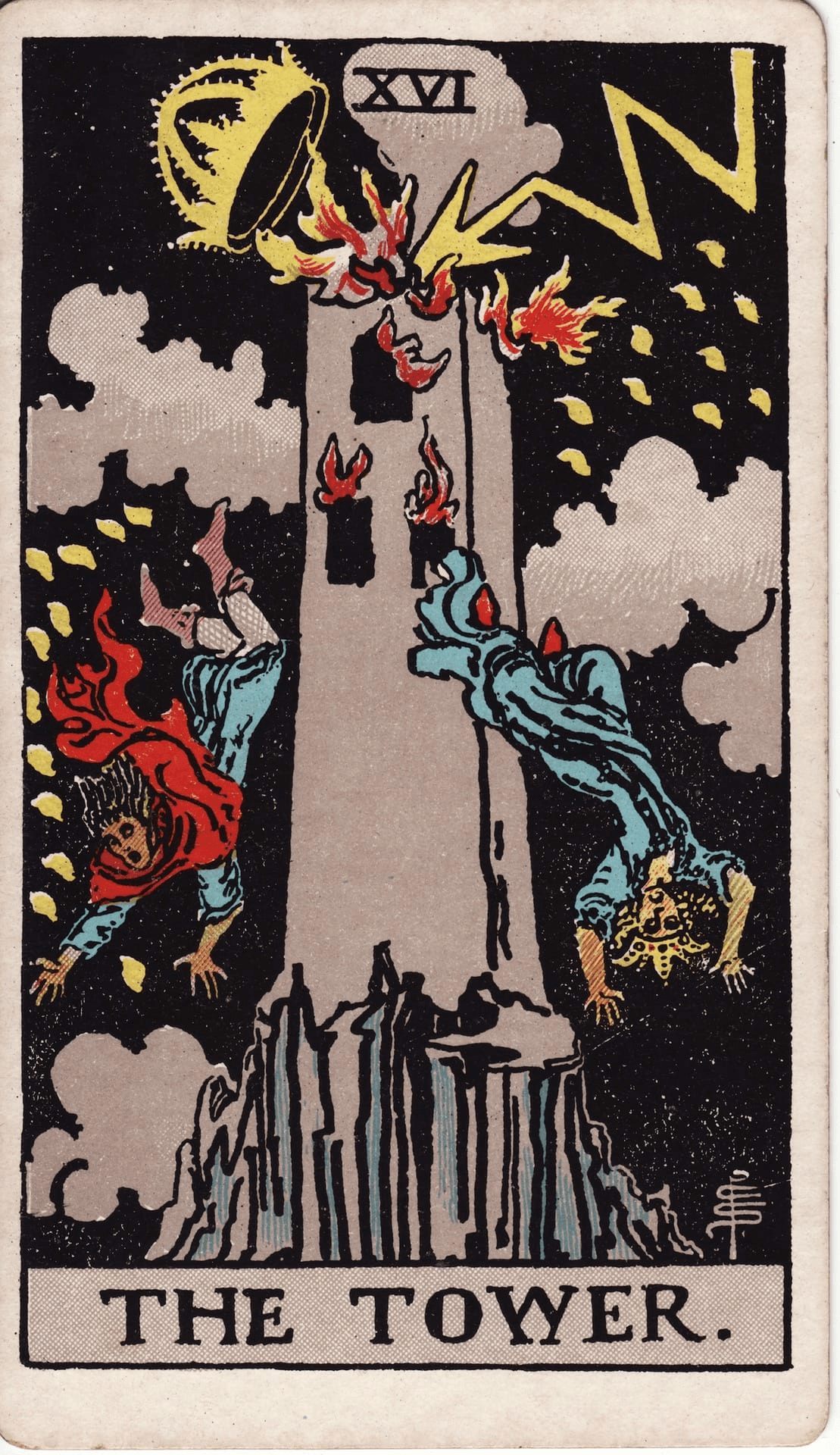
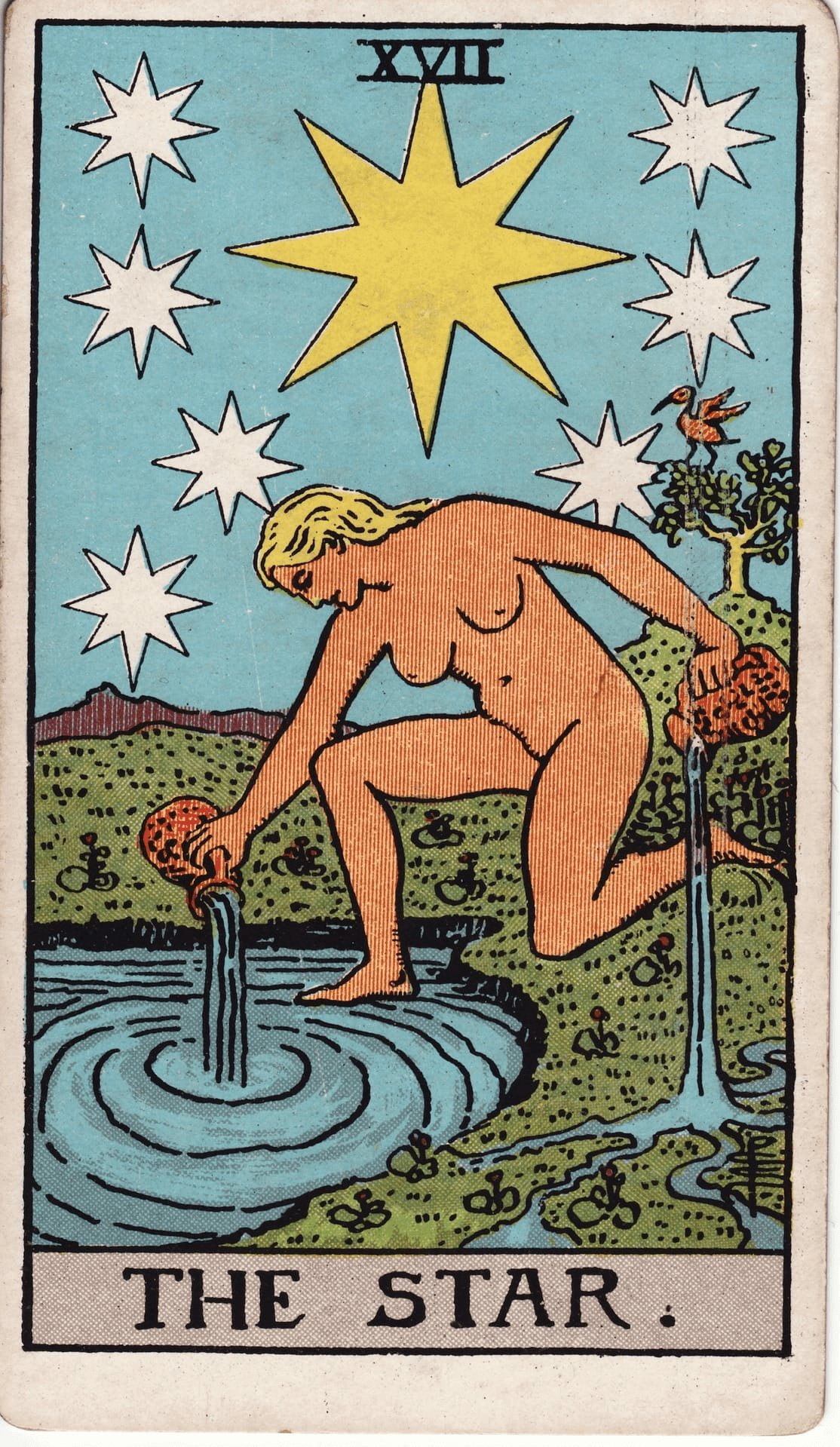
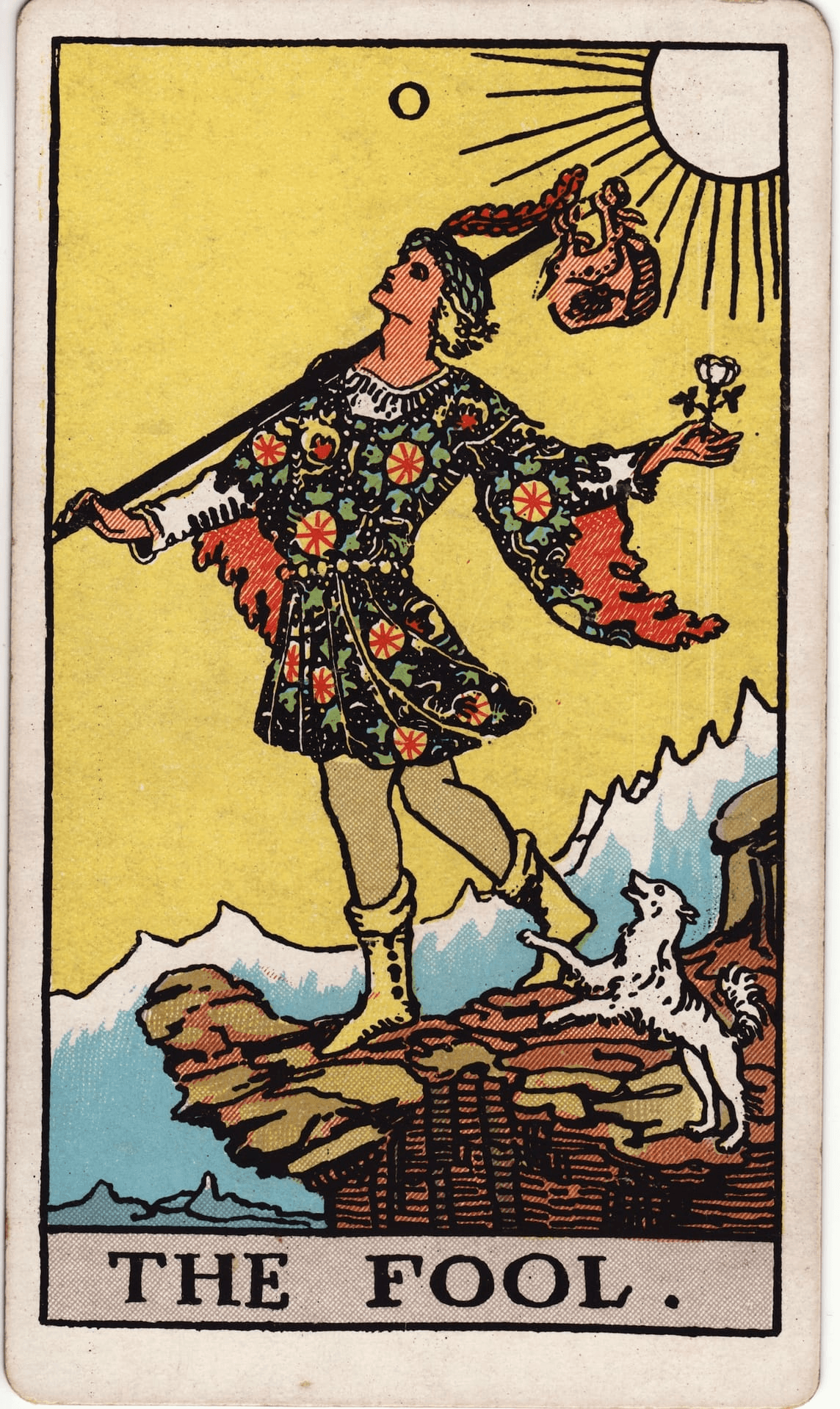
Try two or three sentences. Answer the question, give each card its assigned job, and suggest something the person could do.
Writing is optional. Your notes stay in this tab, are not sent or saved, and disappear when you reload the page.
Reveal the worked reading and notes
One reading that fits
The disruption has already happened; you do not need to predict another one. The Star asks what gives you enough hope to begin again, and the Fool makes room for a first attempt without a complete plan. Contact one person, explore one role, or try a small project. Starting small is different from pretending that the loss did not hurt.
Why it fits the cards
- The Tower belongs to the past-event position. It describes the abrupt loss instead of forecasting further disaster.
- The Star offers renewal after disruption; the Fool turns that possibility into an exploratory step. Neither guarantees a new job.
Change the positions
Put the Fool in the situation and the Tower in the caution position: a fresh plan may need a reality check before you commit. The Star can support adjustment rather than rescue the plan.
A mistake to avoid
Hope is not a reason to take a large risk immediately. Keep the next step proportionate to your current resources.
If The Fool is reversed
Check whether fear is stopping every small attempt or whether you are about to leap without checking the basics. Either can call for a modest, informed first step.
Your wording can differ. Check whether your reading answers the question and whether you can point to the cards and positions to explain it.
Read the combination articleChoose an exercise
Compare your reasoning, not your wording
There is no score here. Two readings can use different words and still fit the cards. Ask whether your answer addresses the question, respects the positions, and explains how the cards connect. If you could swap in almost any card without changing your answer, try making it more specific.
The notes also show how different positions or a reversed card could change the reading. These are fictional situations for learning. A card does not establish someone else’s private feelings or guarantee what will happen.
Need a hand with the basics? Browse individual card meanings, compare the court cards, or use the combination finder for cards you have drawn yourself.