Practice reading tarot
Read the question, look at the cards, and try a short answer. Then open the notes to see a worked reading and why it fits the cards and their positions.
45 pairs · 7 trios · Classic Rider–Waite–Smith cards · Free, no account or deck needed
How to use these exercises
- Read the question first. A card about a choice means something different in a business question than in a question about dating.
- Look at each position. A card describing the problem does not automatically tell you what to do.
- Connect the cards in a short answer. What does the second card add to the first? What practical next step fits this particular question?
Try a reading
Exercise 40 of 52 · Notes opened for 0 of 52 exercises in this visit
“How do I bring up that a friend shared something I told them in confidence?”
These cards are upright. Read them in the positions shown.
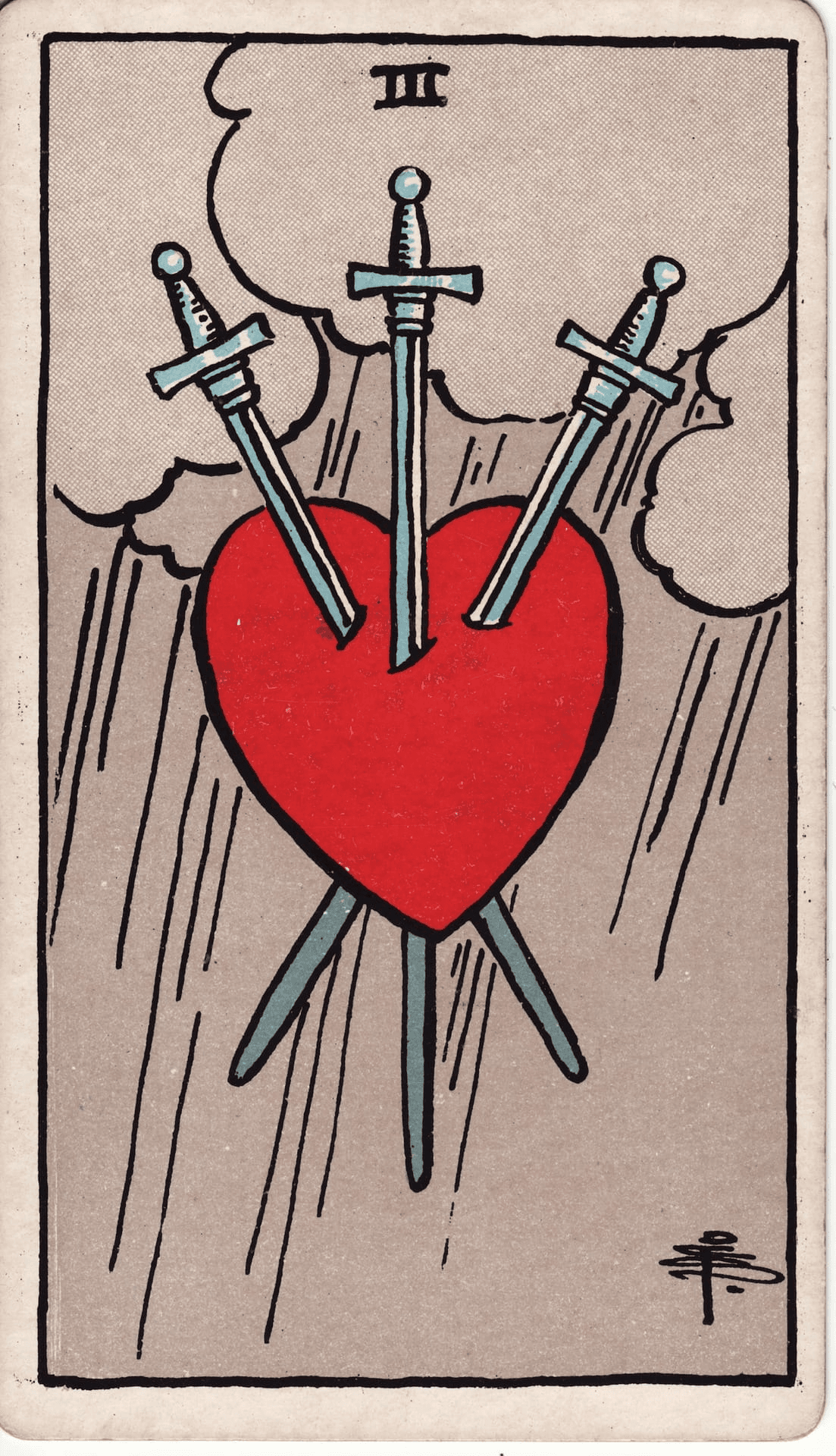 Three of Swords
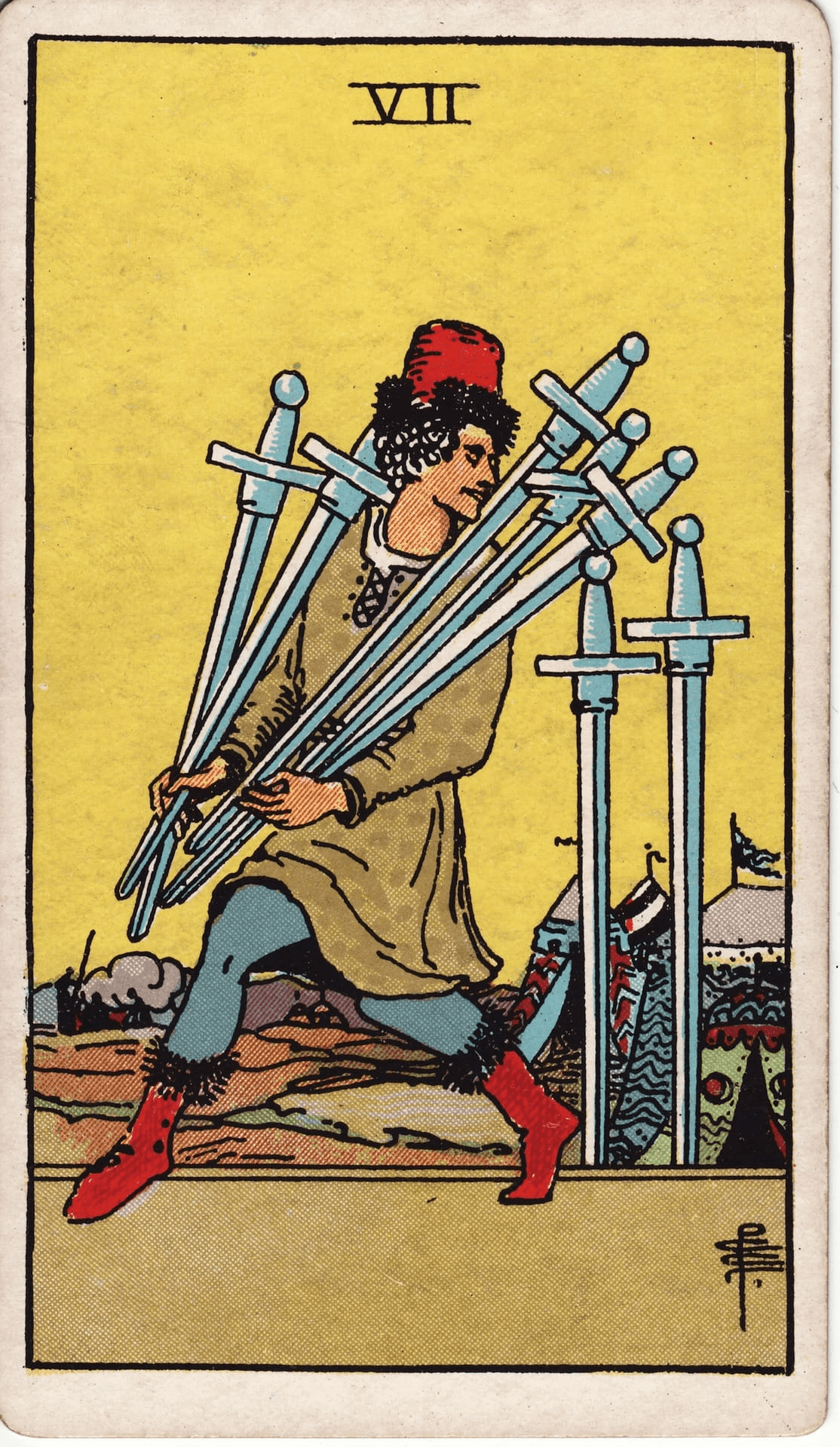 Seven of Swords
Try two or three sentences. Answer the question, give each card its assigned job, and suggest something the person could do.
Writing is optional. Your notes stay in this tab, are not sent or saved, and disappear when you reload the page.
Reveal the worked reading and notes
One reading that fits
The hurt needs a clear sentence, not an elaborate case against your friend. Tell them what you learned was shared and why it mattered to you. The Seven of Swords asks you to handle the details deliberately: ask what was passed on and to whom, then state what you need kept private from now on. You can be honest about being hurt without assuming you already know why they did it.
Why it fits the cards
- The Three of Swords puts the injury plainly in view. In a position about what to name, it fits saying that your confidence was broken rather than hiding the hurt behind a casual remark.
- The Seven of Swords shows a figure carrying swords away while looking back. In a position about careful handling, it fits checking what information has left your control and choosing what else to disclose.
Change the positions
Put the Seven of Swords in the cause position and focus first on how information was withheld or passed around. The Three of Swords as advice would still ask you to address the hurt directly, rather than make the whole conversation an investigation.
A mistake to avoid
The cards cannot tell you whether your friend acted maliciously. Start with what you know was shared before accusing them of intentional harm.
If Three of Swords is reversed
You might feel less hurt now, or be trying to get past it without saying anything. Ask whether your friend understands the boundary. Feeling ready to move on does not require leaving the same misunderstanding in place.
Your wording can differ. Check whether your reading answers the question and whether you can point to the cards and positions to explain it.
Read the combination articleChoose an exercise
Compare your reasoning, not your wording
There is no score here. Two readings can use different words and still fit the cards. Ask whether your answer addresses the question, respects the positions, and explains how the cards connect. If you could swap in almost any card without changing your answer, try making it more specific.
The notes also show how different positions or a reversed card could change the reading. These are fictional situations for learning. A card does not establish someone else’s private feelings or guarantee what will happen.
Need a hand with the basics? Browse individual card meanings, compare the court cards, or use the combination finder for cards you have drawn yourself.