Practice reading tarot
Read the question, look at the cards, and try a short answer. Then open the notes to see a worked reading and why it fits the cards and their positions.
45 pairs · 7 trios · Classic Rider–Waite–Smith cards · Free, no account or deck needed
How to use these exercises
- Read the question first. A card about a choice means something different in a business question than in a question about dating.
- Look at each position. A card describing the problem does not automatically tell you what to do.
- Connect the cards in a short answer. What does the second card add to the first? What practical next step fits this particular question?
Try a reading
Exercise 51 of 52 · Notes opened for 0 of 52 exercises in this visit
“I want to send another message after an argument. What should I consider?”
These cards are upright. Read them in the positions shown.
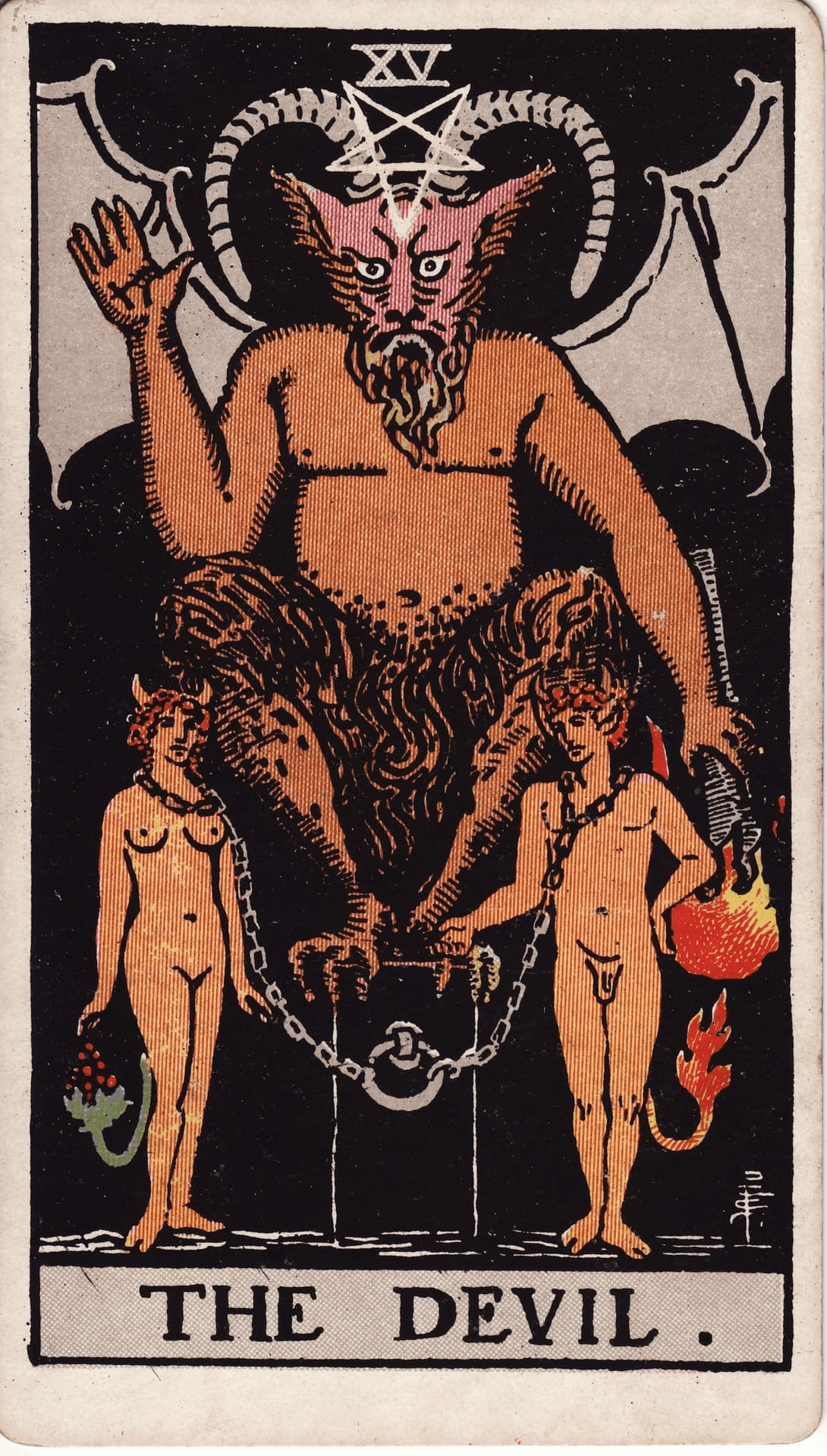 The Devil
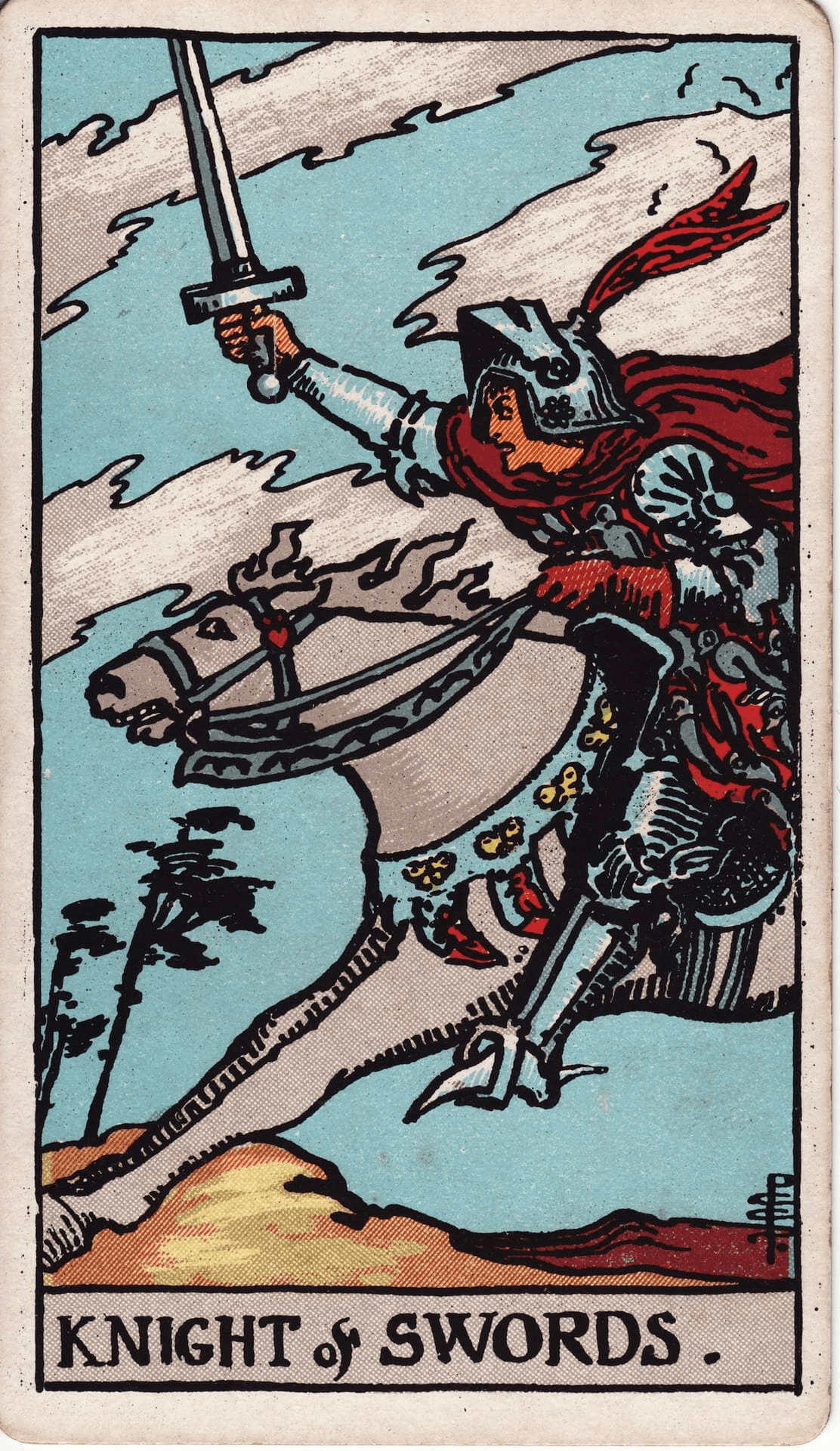 Knight of Swords
Try two or three sentences. Answer the question, give each card its assigned job, and suggest something the person could do.
Writing is optional. Your notes stay in this tab, are not sent or saved, and disappear when you reload the page.
Reveal the worked reading and notes
One reading that fits
You may be trying to get relief from the argument by getting an immediate reply. Another forceful message could keep you in the same exchange. Write down the one thing that still needs saying, leave the draft for a while, and reread it before deciding whether to send it. You can state a boundary without reopening every point.
Why it fits the cards
- The chains on the Devil suit a repeated exchange that is difficult to leave. That is a reading of the pattern, not a judgment about either person.
- The charging Knight fits the impulse to respond quickly. In a risk position, his speed asks for scrutiny rather than imitation.
Change the positions
If the Knight were advice, he could support a brief, direct statement that ends an unproductive exchange. The difference is purposeful clarity rather than another attempt to win.
A mistake to avoid
Neither card proves that the other person is obsessed with you or intends harm. Use their actual words and actions when deciding how to respond.
If The Devil is reversed
You may be noticing the pattern sooner. Think about a concrete interruption, such as muting the conversation while you decide what to say.
Your wording can differ. Check whether your reading answers the question and whether you can point to the cards and positions to explain it.
Read the combination articleChoose an exercise
Compare your reasoning, not your wording
There is no score here. Two readings can use different words and still fit the cards. Ask whether your answer addresses the question, respects the positions, and explains how the cards connect. If you could swap in almost any card without changing your answer, try making it more specific.
The notes also show how different positions or a reversed card could change the reading. These are fictional situations for learning. A card does not establish someone else’s private feelings or guarantee what will happen.
Need a hand with the basics? Browse individual card meanings, compare the court cards, or use the combination finder for cards you have drawn yourself.